Mechanical Discipline (Piping, Vessels, Tanks, Structures & Rotating Equipment)

Course Overview

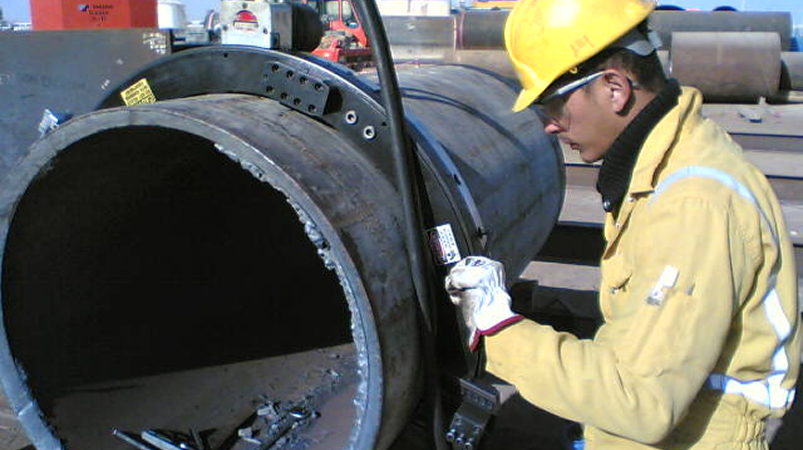
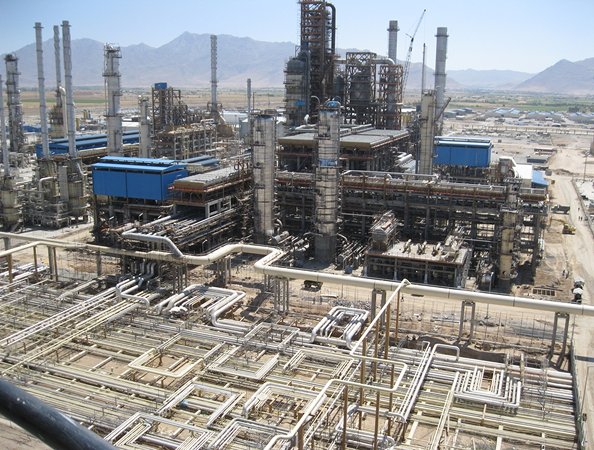
This training course provides hands-on, field-oriented knowledge of QA/QC inspection activities during construction, installation, testing, and mechanical completion of mechanical systems in oil & gas, petrochemical, power, and industrial projects.


The course concentrates on real inspection workflows, site coordination, and problem-solving in Greenfield plant and brownfield environments.

Participants learn how to verify installation quality, manage punch lists, perform system walkdowns, and support mechanical completion — bridging the gap between engineering deliverables and real-world construction execution.
What You Will Gain

Participants will develop practical, site-ready expertise in:

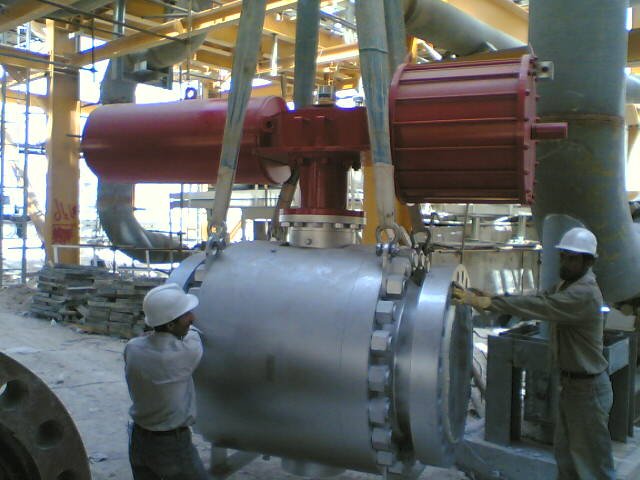
  • Field inspection of piping, vessels, tanks, structural steel, and rotating equipment

  • Material verification, traceability control, and installation compliance checks

  • Welding inspection, NDT coordination, and field defect identification

  • Alignment, leveling, nozzle orientation, and dimensional verification

  • Hydrotesting, leak testing, and reinstatement control

  • Mechanical completion workflows and system walkdown execution

  • Punch list categorization, tracking, and closure strategy

  • NCR issuance, deviation handling, and corrective action follow-up

  • Inspection reporting and QA/QC documentation control

  • Effective coordination between construction, engineering, and commissioning teams

Participants leave with the confidence to perform structured field inspections in live EPC environments and prevent quality issues before they escalate.

Target Audience

This course is designed for professionals involved in mechanical construction and field quality control, including:

  • QA/QC Field Inspectors (Mechanical & Piping)

  • Mechanical Inspectors and Supervisors

  • QA/QC Engineers and Coordinators

  • Construction Engineers and Site Supervisors

  • Commissioning & Pre-Commissioning Engineers

  • Vendor and Third-Party Inspection Personnel

It is particularly valuable for professionals working in oil & gas, petrochemical, power generation, and industrial plant projects.

Prerequisites

  • Basic understanding of mechanical systems and industrial construction

  • Familiarity with piping drawings, P&IDs, and fabrication concepts

  • Working knowledge of ASME, API, ASTM, or NACE standards (recommended)

  • Prior site exposure or construction experience is beneficial but not mandatory

Why Learn From This Trainer

This course is led by a senior field QA/QC professional with over 20 years of hands-on experience in EPC projects, fabrication yards, and live-plant environments.

Participants gain insight into real construction challenges across piping, vessels, tanks, structural steel, and rotating equipment. The training emphasizes:

  • Structured field inspections beyond checklist verification

  • Material traceability, welding oversight, and NDT/PMI coordination

  • Alignment, hydrotesting, and mechanical completion control

  • Effective punch list and NCR management in active construction sites

  • Making defensible decisions under client and EPC scrutiny

Rather than focusing only on standards, the course develops practical inspection judgment rooted in real project scenarios, brownfield constraints, and live-plant conditions.

Participants leave with the confidence to perform field inspections proactively, prevent rework, and support safe mechanical completion.
Key Learning Outcomes

By the end of this course, participants will be able to:
    • Perform effective field inspections in accordance with ITPs and project specifications

  • Identify workmanship defects and compliance gaps early

  • Control NCRs, punch lists, and corrective actions efficiently

  • Support mechanical completion, system walkdowns, and handover

Detailed Course Syllabus

Module 1. Field QA/QC Fundamentals & Inspector Responsibilities

  • QA vs QC vs inspection in construction projects

  • Inspector authority, ethics, and independence

  • Hold points, witness points, and surveillance activities

  • Daily inspection reporting and documentation discipline

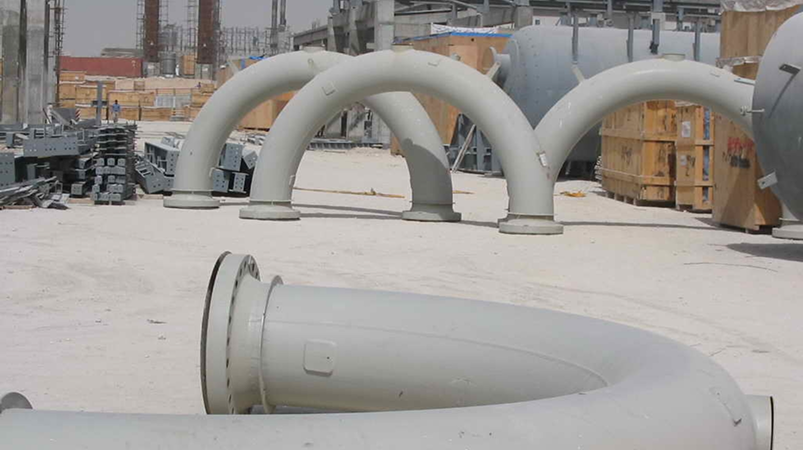
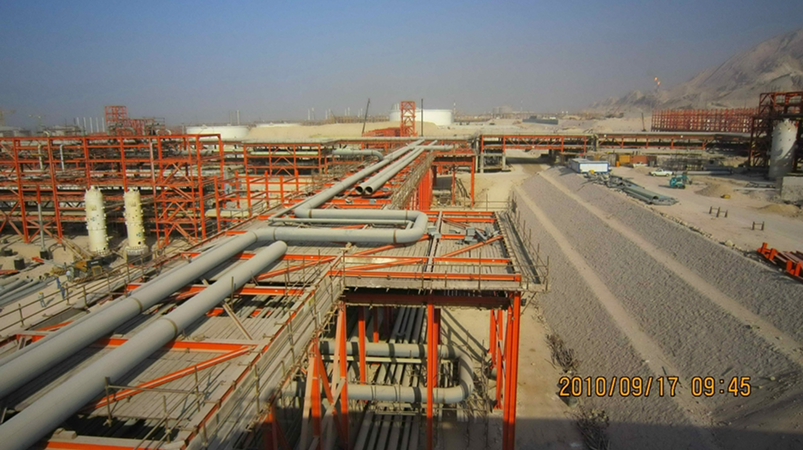
Module 2. Piping Field Inspection

  • Incoming material inspection and traceability

  • Field welding inspection and weld acceptance

  • NDT coordination, clearance, and interpretation

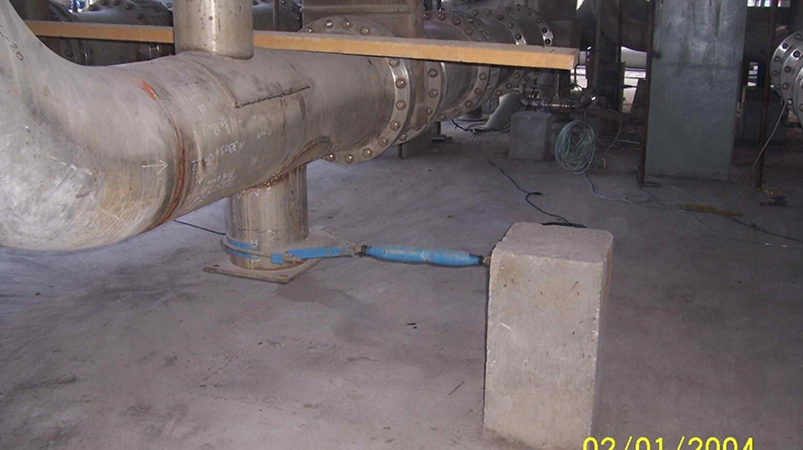
  • Pipe routing, slope, alignment, and support verification

  • Pressure testing, leak testing, reinstatement, and final acceptance

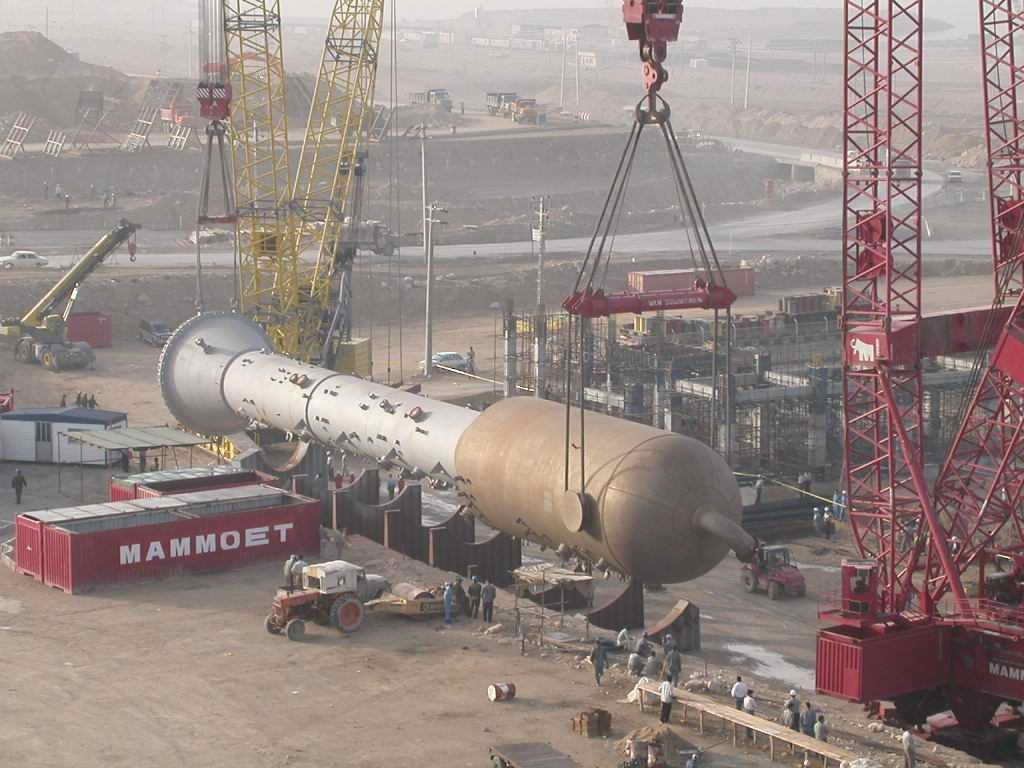
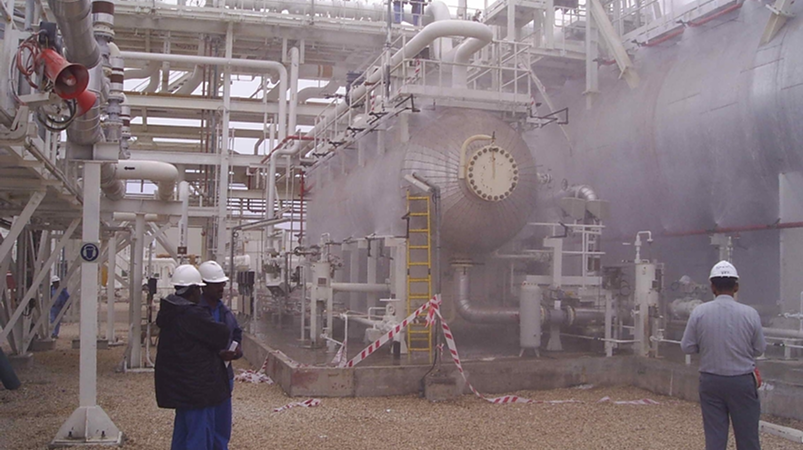
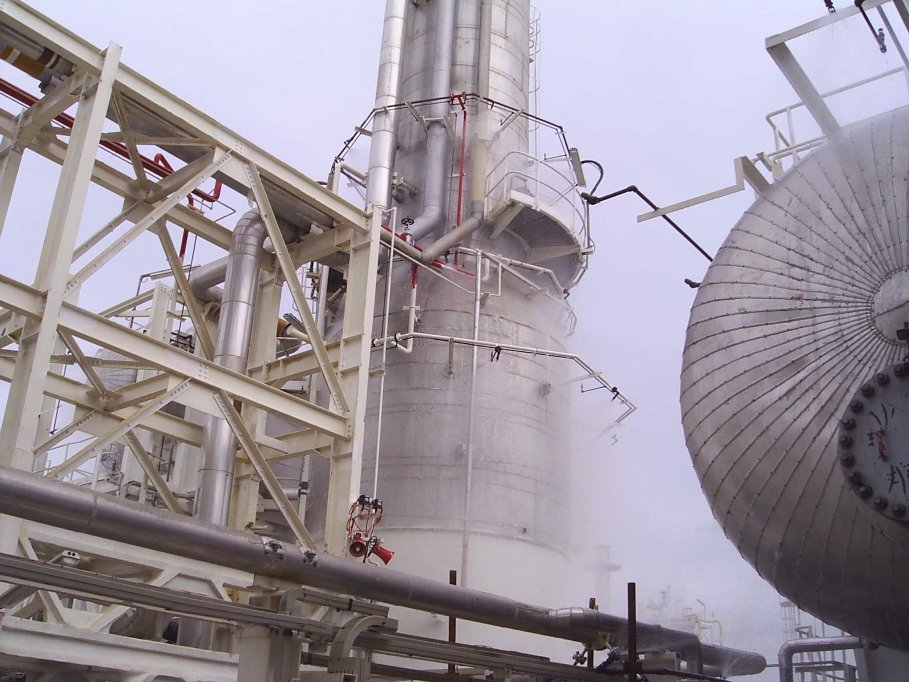
Module 3. Pressure Vessels, Towers & Static Equipment

  • QA vs QC vs inspection in construction projects

  • Inspector authority, ethics, and independence

  • Hold points, witness points, and surveillance activities

  • Daily inspection reporting and documentation discipline

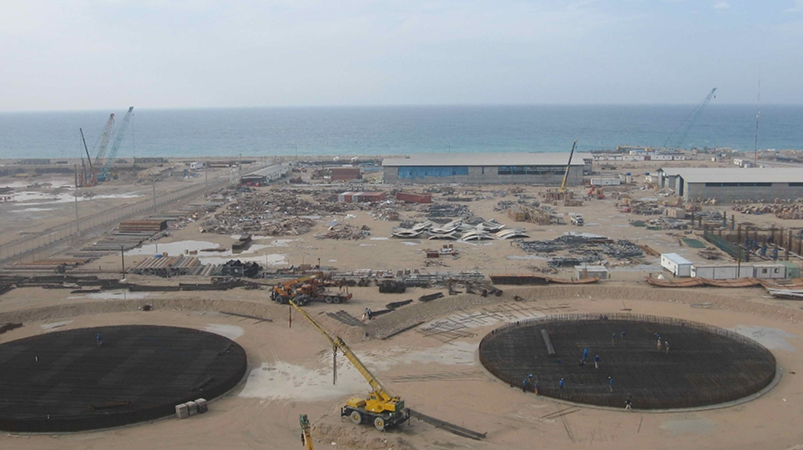
Module 4. Storage Tanks
(API 650)

  • QA vs QC vs inspection in construction projects

  • Inspector authority, ethics, and independence

  • Hold points, witness points, and surveillance activities

  • Daily inspection reporting and documentation discipline

Module 5. Structural Steel & Mechanical Supports

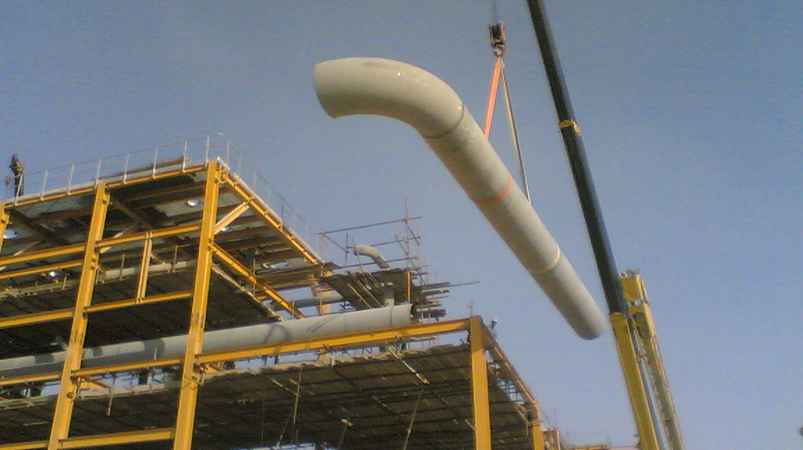
  • Structural material verification and erection inspection

  • Bolting and field welding inspection

  • Platforms, ladders, handrails, and safety access

  • Final alignment, stability, and survey verification

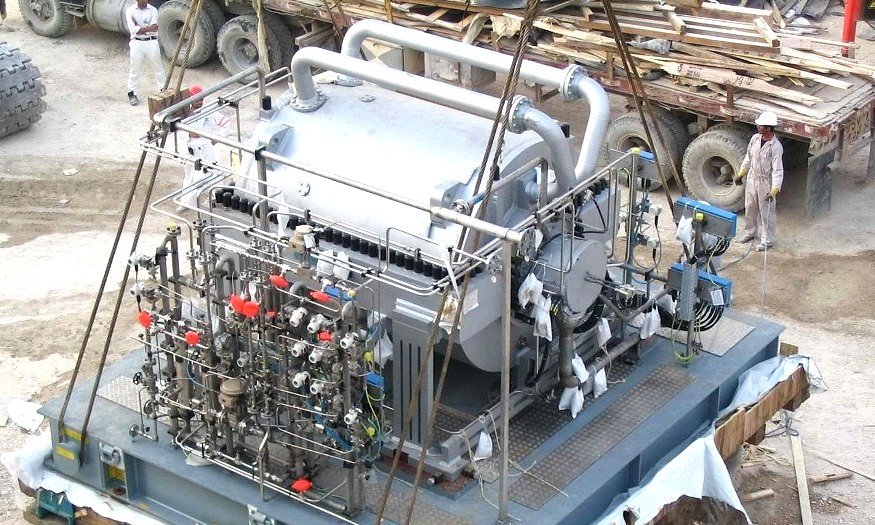
Module 6. Rotating Equipment Installation Inspection

  • Foundation readiness and grout inspection

  • Baseplate leveling and alignment basics

  • Pump, motor, and auxiliary inspection

  • Mechanical run test and pre-commissioning support

Module 7. Coating, Painting & Preservation (Field Phase)

  • Surface preparation inspection

  • Coating application and DFT verification

  • Holiday testing and repair inspection

  • Preservation during construction and shutdowns

Module 8. Mechanical Completion, Punch Lists & Handover

  • Systemization and mechanical completion philosophy

  • Walkdowns, punch listing, and punch closure

  • Reinstatement and final acceptance

  • Turnover documentation and handover packages

Module 9. NCR, Deviation & Technical Query Management

  • Identification and issuance of NCRs

  • Root cause analysis and corrective action review

  • Technical queries, deviations, and concessions

  • Preventing repeat quality issues

Module 10. Practical Case Studies & Lessons Learned

  • Common field nonconformities

  • Brownfield constraints and live-plant challenges

  • Inspector best practices and real-world examples

Codes & Standards Covered

ASME B31 (Piping Codes)

ASME Section VIII & IX

API 650, API 510, API 570

ASTM material standards

NACE / SSPC coating standards

Project specifications and ITPs