Trainer Experience & Professional Background

All training programs are delivered by a senior piping & mechanical engineering professional with over 23 years of international EPC experience across engineering offices, fabrication yards, vendor workshops, and live construction sites.
Professional exposure includes greenfield and brownfield projects, shutdowns, tie-ins, and full project lifecycle execution across oil & gas, petrochemical, power & energy, industrial, biogas, and pulp & paper facilities.
This background ensures every course is delivered with a real-project, execution-focused approach — bridging engineering intent with fabrication, inspection, installation, testing, mechanical completion, and system turnover.

Core Areas of Expertise Across All Courses

Piping & Mechanical Engineering (Design-to-Execution)

Conceptual, FEED, and detailed piping engineering deliverables

  • Material selection, line classes, specifications, routing strategy, and plot plan development
  • Pipe support systems, flexibility/stress coordination, and constructability reviews
  • Isometrics, MTO preparation, weld maps, and fabrication-to-field integration

QA/QC, Welding & NDT Integration

Development and execution of ITPs, hold/witness points, and inspection strategies

  • WPS / PQR / WQT review, welding surveillance, and defect prevention
  • NDT coordination and technical evaluation (VT, PT, MT, UT, RT, PMI, ferrite, hardness)
  • NCR management, deviation control, concession workflows, and QA documentation systems

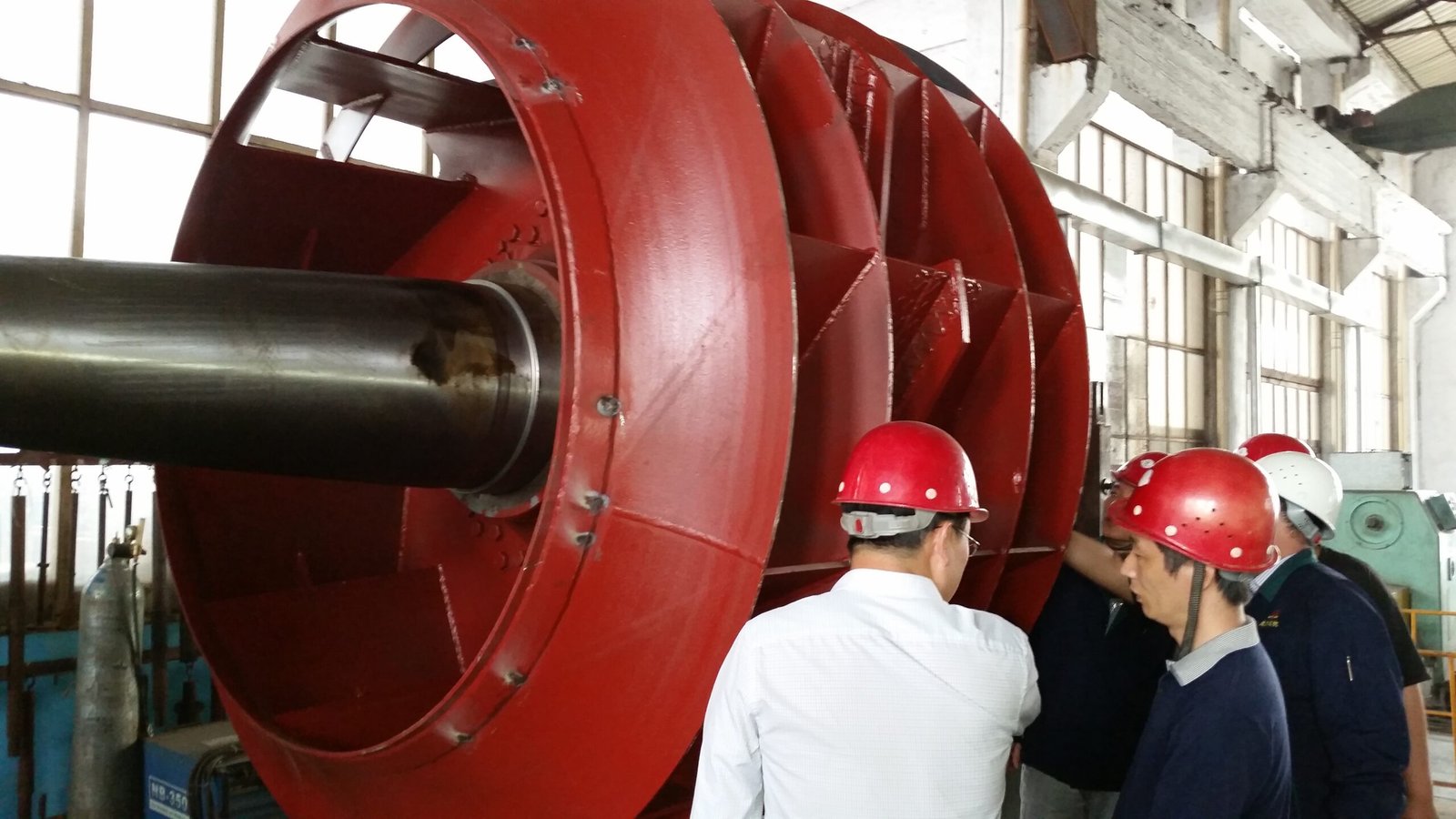
Manufacturing Inspection, Vendor Surveillance & FAT

Manufacturing Inspection, Vendor Surveillance & FAT

  • Vendor audits, Pre-Inspection Meetings (PIM), and structured manufacturing surveillance
  • Dimensional verification, traceability control (MTC / heat numbers), and compliance checks
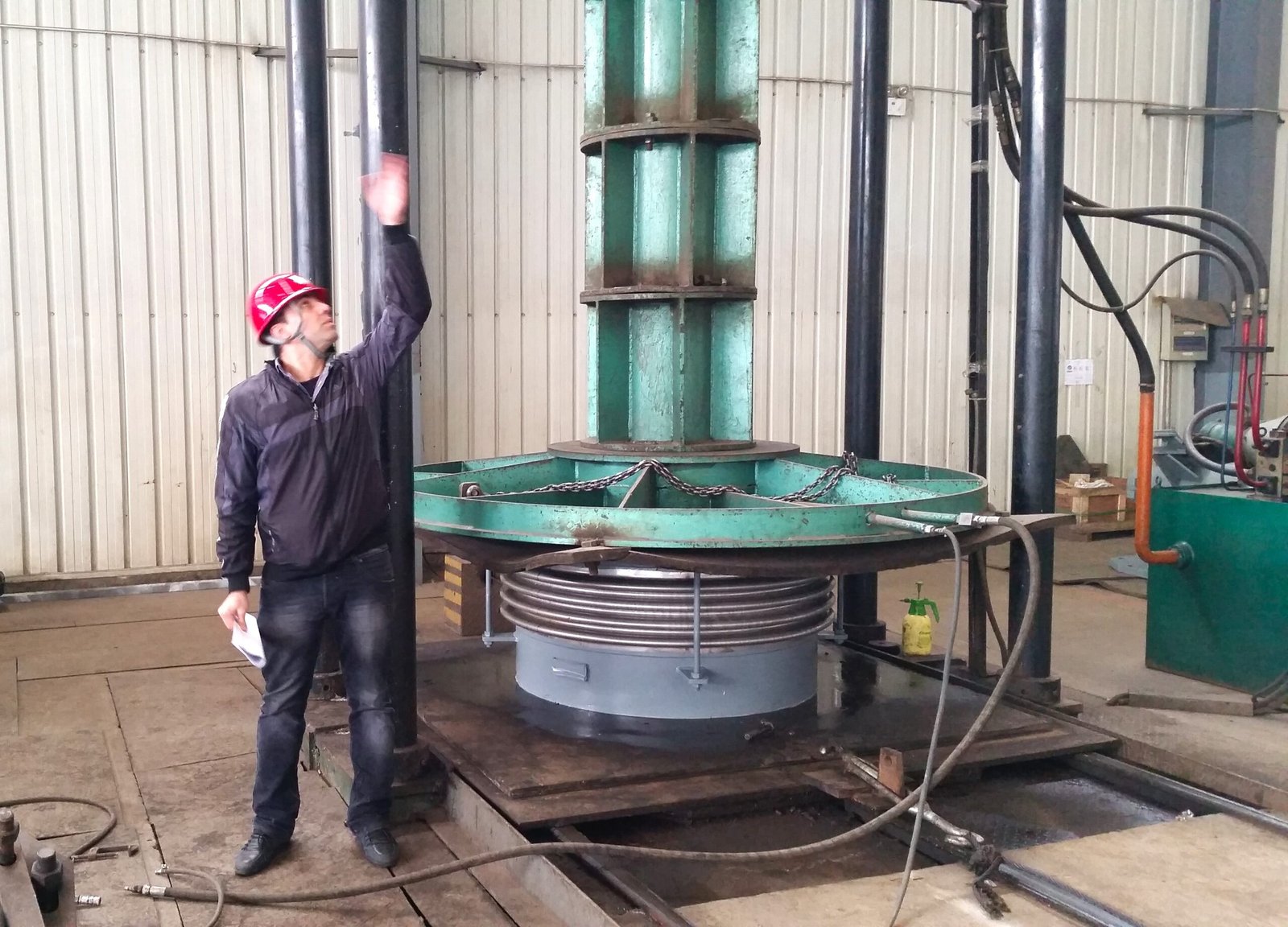
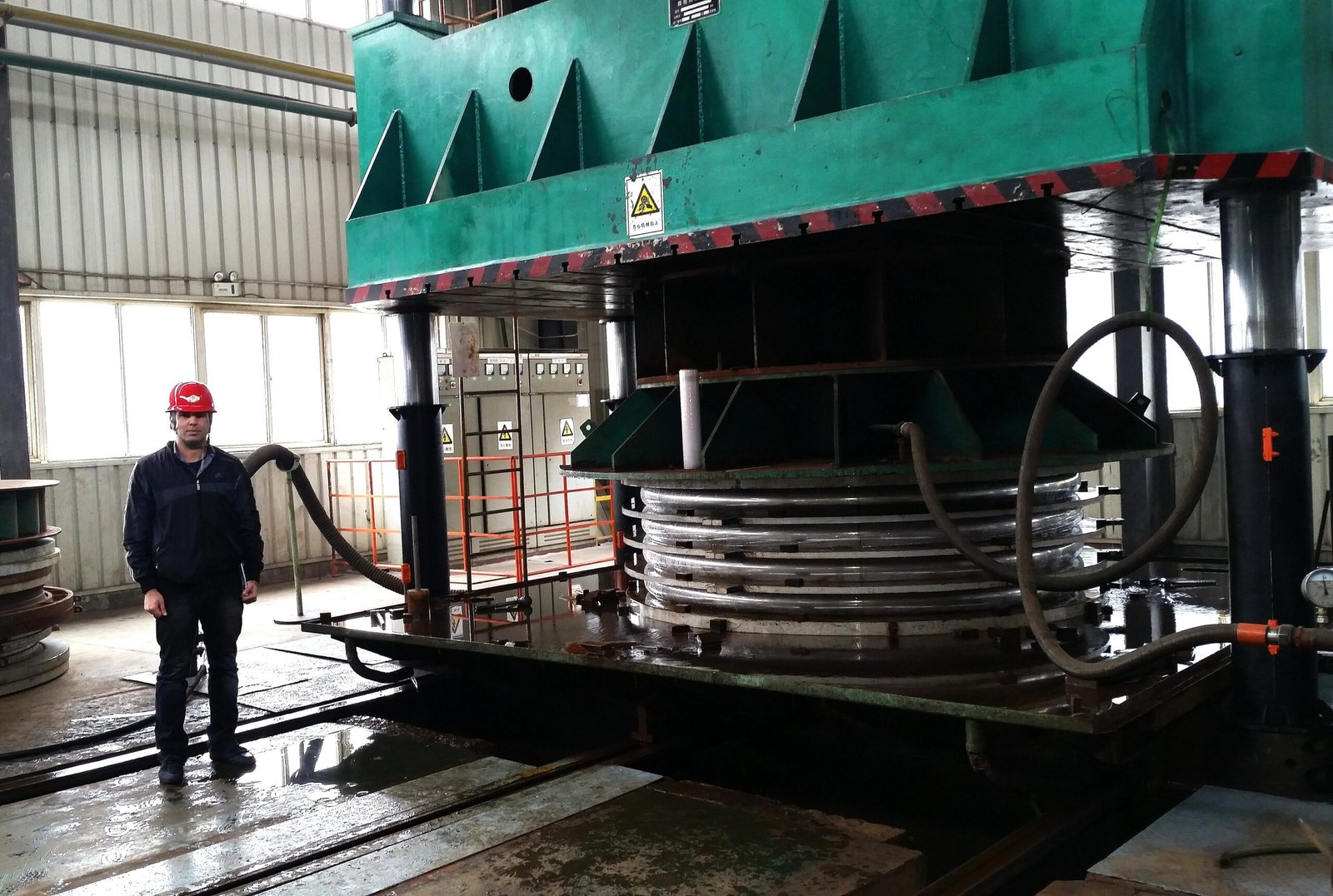
  • Witnessing pressure tests, functional tests, and Factory Acceptance Tests (FAT)
  • MDR review, preservation verification, packing inspection, and shipment release readiness

Field Engineering, Construction Supervision & Mechanical Completion

Work-front preparation, multidisciplinary coordination, and interface resolution
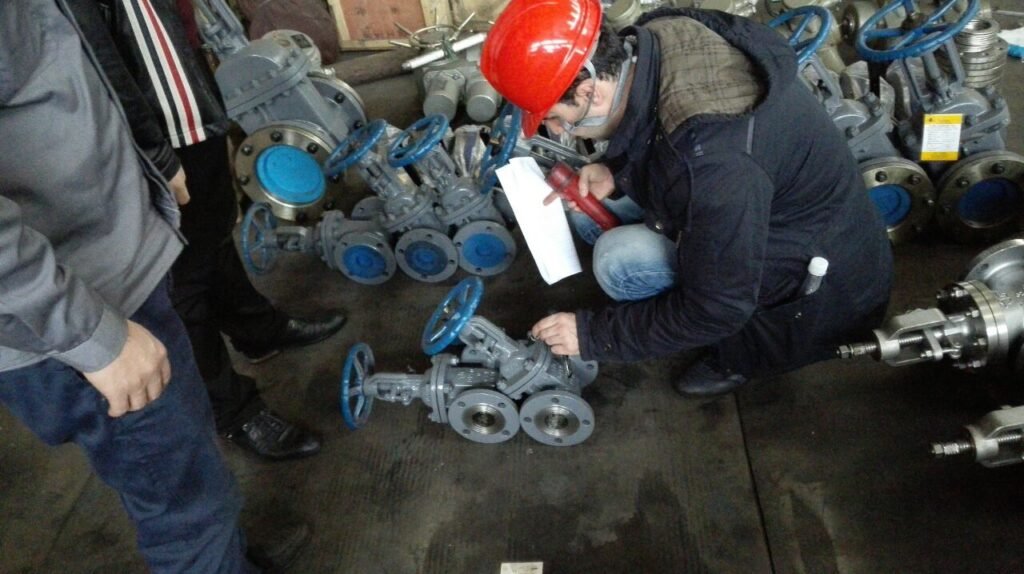
  • Installation verification for piping systems and mechanical equipment (alignment, leveling, nozzle orientation)
  • Hydrotesting, leak testing, reinstatement control, and readiness verification
  • System walkdowns, punch list management, and mechanical completion certification

Pre-Commissioning & System Turnover

  • Cleaning, flushing, drying, purging, and inerting readiness

    • Turnover package verification and system/subsystem handover
    • Field troubleshooting and technical decision-making under schedule and client pressure

Standards & Code Application

Training content reflects real project application of international standards, including:

ASME (B31, Section VIII, Section IX), API (510, 570, 650), ASTM, ISO, NACE/SSPC, CSA, and project-specific client specifications.

Training Approach & Value

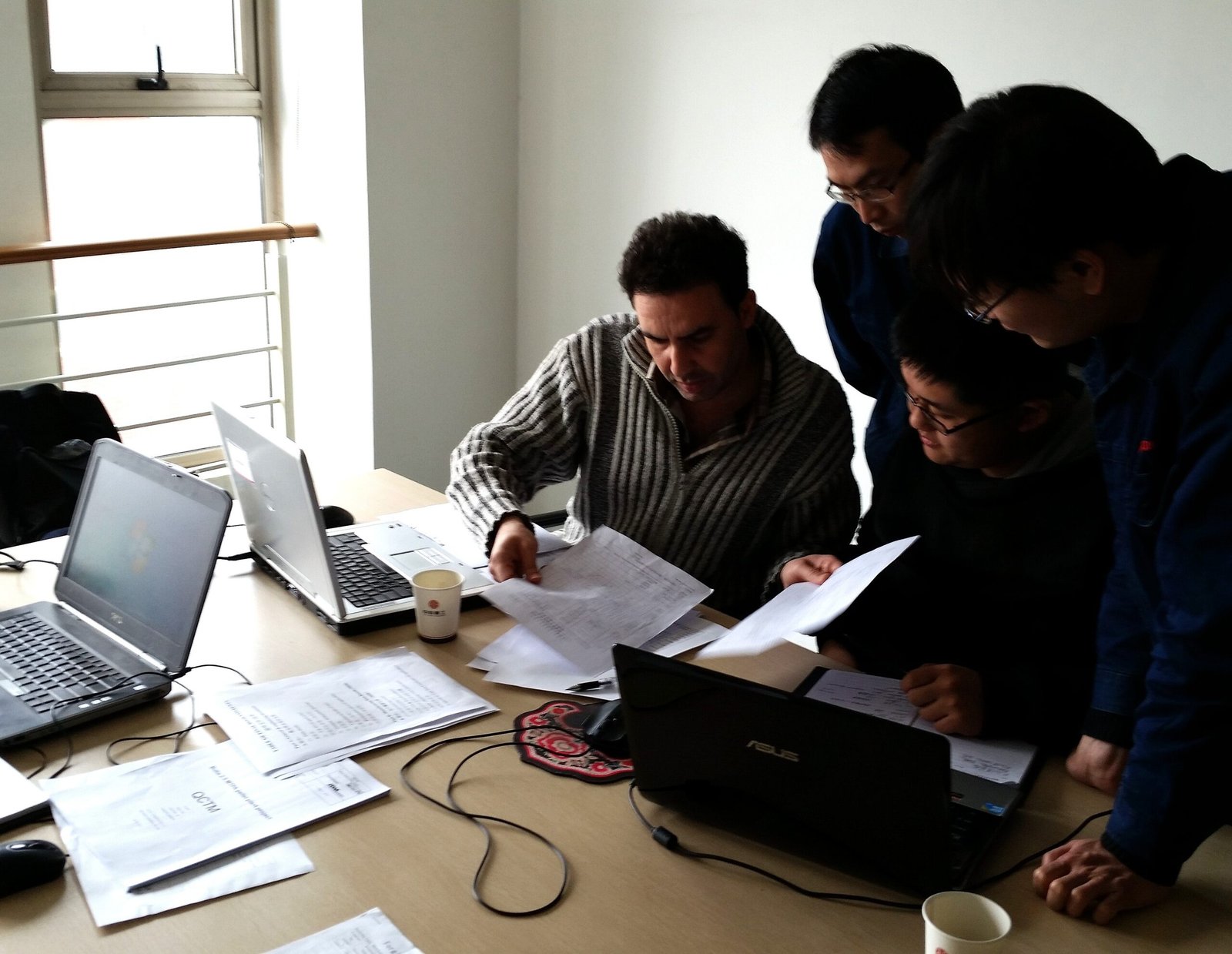
The training methodology is practical, scenario-based, and execution-driven, using real EPC workflows, field constraints, inspection cases, and nonconformity management scenarios to develop structured engineering judgment — not just theoretical code familiarity.

The trainer has supported major international EPC contractors, inspection bodies, and end users, with projects executed across the Middle East, Far East, North Africa, Europe, and North America, including Qatar, UAE, Iran, Libya, Sweden, China, and Canada.

This combination of design, fabrication, QA/QC, and field execution expertise ensures participants gain not only technical knowledge, but the practical competence required to deliver piping and mechanical systems successfully in real-world EPC environments.
Codes & Standards Covered

ASME B31 (Piping Codes)

ASME Section VIII & IX

API 650, API 510, API 570

ASTM material standards

NACE / SSPC coating standards

Project specifications and ITPs