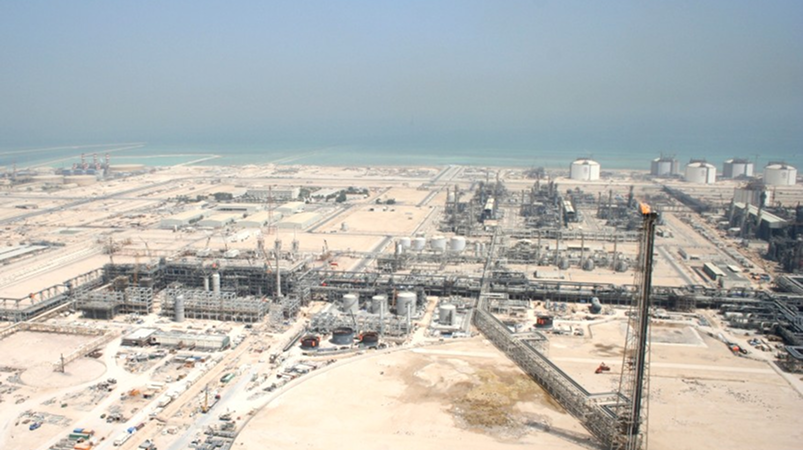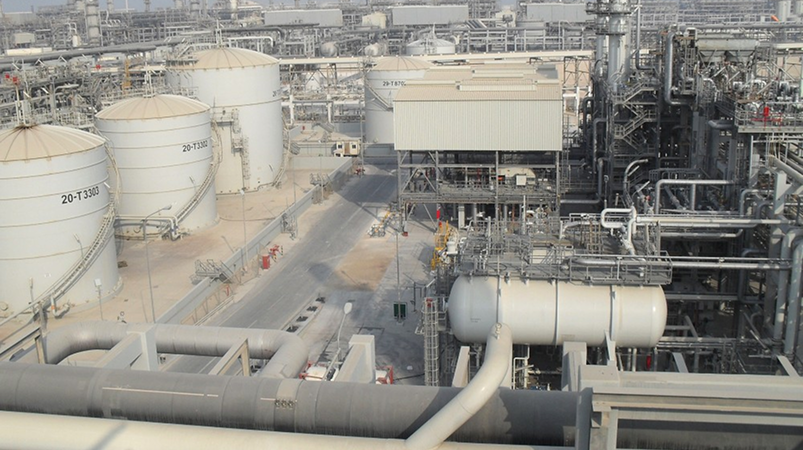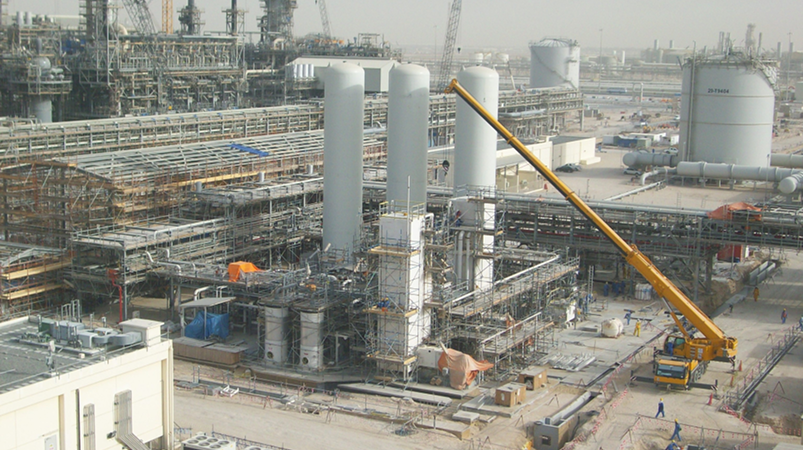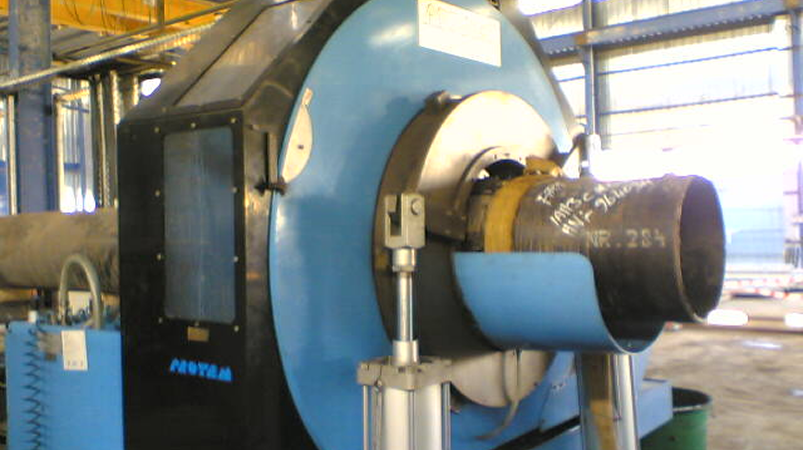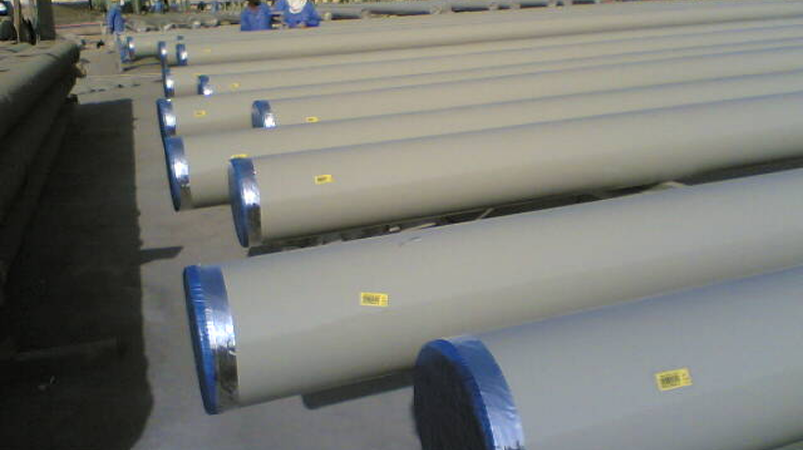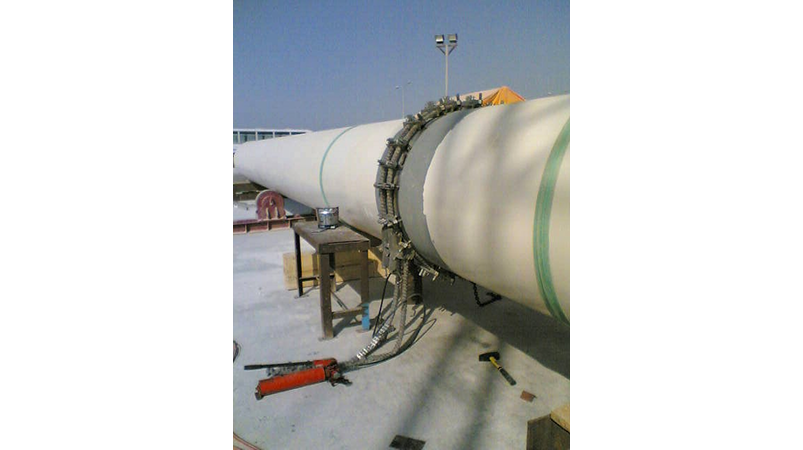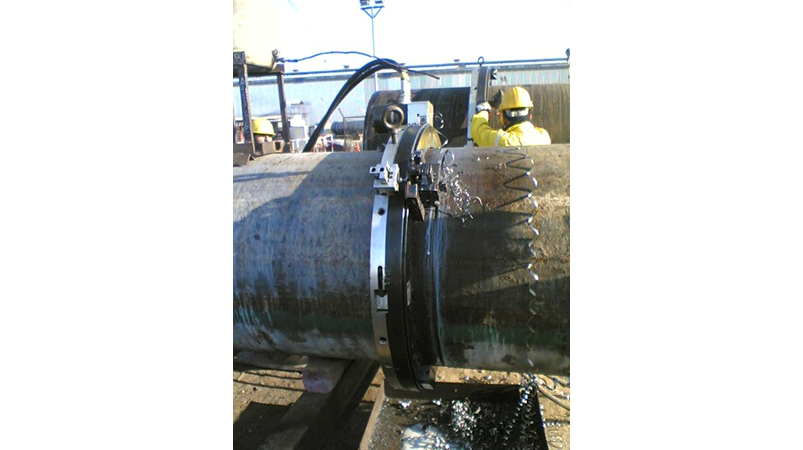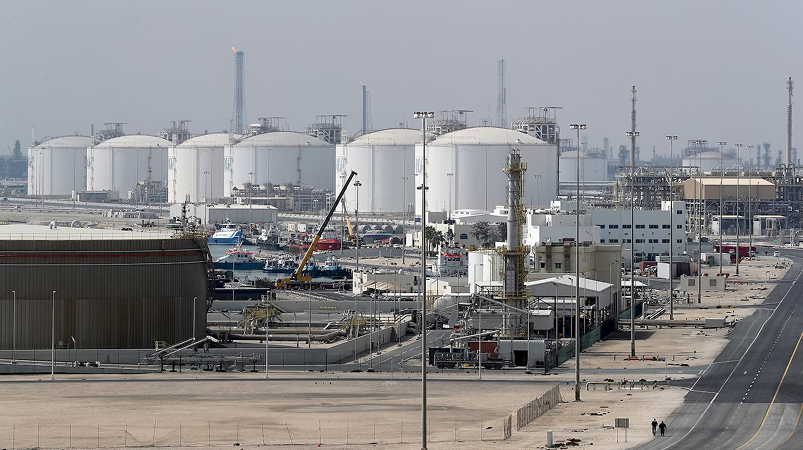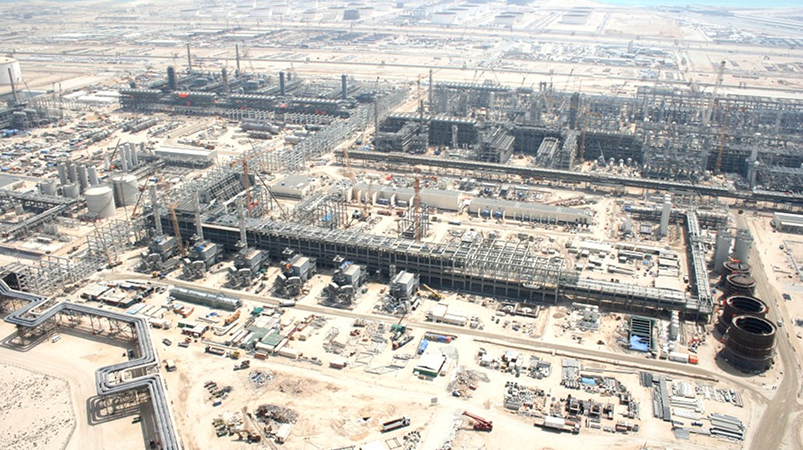
Piping construction and welding inspection for the QCS 3&4 project, part of a USD 4 billion EPC contract awarded to the Chiyoda-Technip joint venture to construct Train 6 and Train 7 at the Ras Laffan LNG complex, each with a capacity of 7.8 million tonnes per annum.
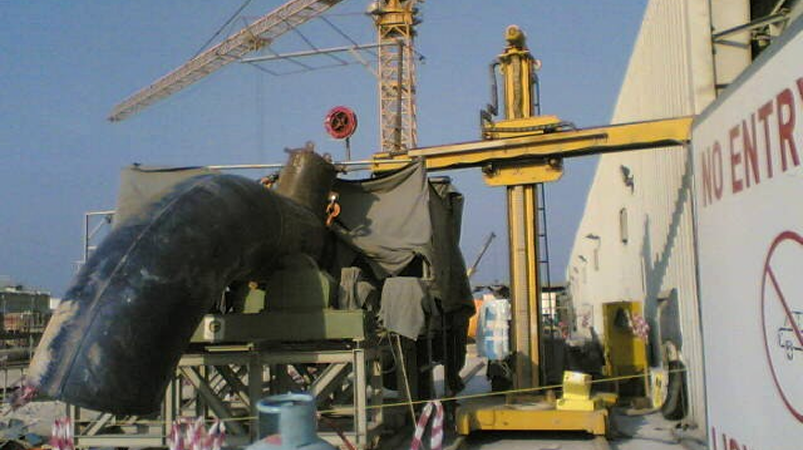
Scope covered large-diameter carbon steel and alloy piping fabrication and erection across multiple process units, executed within a high-volume, multi-discipline construction environment averaging 2,500 diameter-inches of welded piping progress per shift.
Welding inspection scope was governed under ASME IX, encompassing review of WPS, PQR, WQT, and welding maps, electrode baking and consumable control, and full material and weld traceability.
In-process control extended across fit-up, joint preparation, preheat, interpass temperature, and heat input, with visual inspection of root, hot, and final weld passes directing the timely identification and resolution of welding imperfections.
Scope further included welder qualification testing, WPS/WQT issuance, procedure compliance audits, PWHT verification, hardness testing, and coordination of NDT activities across RT, PT, MT, and UT methods.
Technical exposure spanned the full range of welding processes employed on the project — GTAW, SMAW, FCAW, GMAW, and SAW — applied across a metallurgically diverse material scope including carbon and low-temperature carbon steels, low-alloy and carbon-moly steels, NACE-compliant and stainless materials, clad and overlay systems, Inconel, nickel-based alloys, titanium, Hastelloy, and GRE/GRP and thermoplastic piping.
Direct experience with overlay welding, buttering, and dissimilar metal joints reflects the advanced metallurgical control required to safeguard critical piping systems within one of the largest LNG export infrastructure programs in the world.