
We provide complete procurement engineering, vendor manufacturing surveillance, expediting, and inspection deliverables, ensuring equipment and materials are technically compliant, inspected, traceable, and delivered on schedule.
Our expertise covers piping, valves, pressure vessels, towers, tanks, structures, packaged equipment, and rotating machinery in accordance with ASME, API, ISO, ASTM, SSPC/NACE, and project specifications.
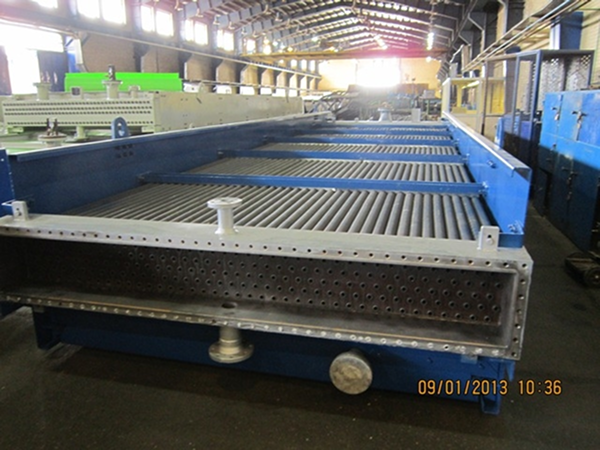

Defines procurement workflow, responsibilities, vendor interaction strategy, inspection milestones, and documentation requirements.
Assessment of vendor capability, certifications, manufacturing capacity, and quality systems.
Development and review of qualified manufacturer lists.
Tracking long-lead items and vendor deliverables to avoid project delays.
Planning inspection, expediting, and surveillance activities across manufacturing phases.
Early identification of equipment impacting engineering and construction schedules.
Evaluation of vendor capacity, material availability, and manufacturing constraints.
Strategies to prevent delays, deviations, and delivery risks.
Continuous monitoring of vendor progress against project milestones.
Planning inspection, expediting, and surveillance activities across manufacturing phases.
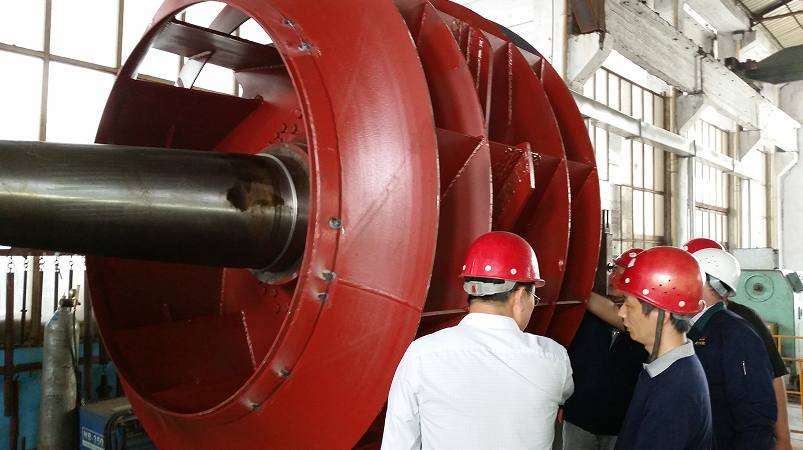
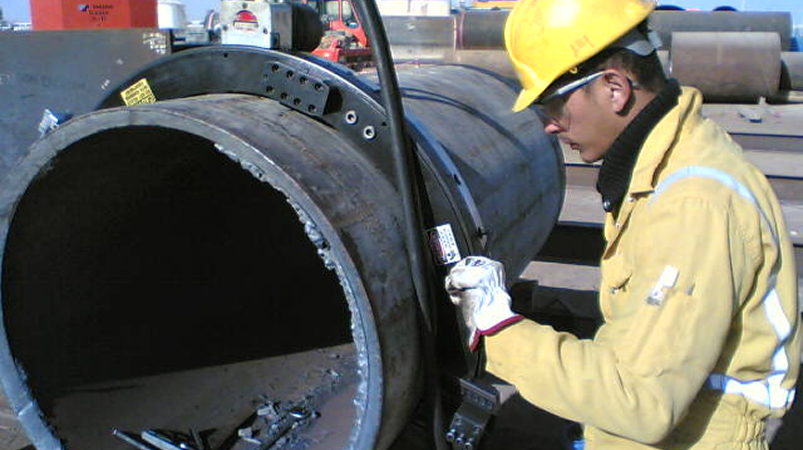
Technical definition of materials, equipment, and specifications for RFQ issuance.
Complete RFQ documentation including scope of supply, inspection requirements and delivery schedules.
Specifications for piping components, valves, vessels, packages, and equipment.
Definition of commissioning and operational spare requirements.
Planning inspection, expediting, and surveillance activities across manufacturing phases.
Technical comparison of vendor offers against project requirements.
Evaluation of vendor proposals and issuance of clarification reports.
Assessment and resolution of technical deviations.
Final recommendation supporting vendor selection.

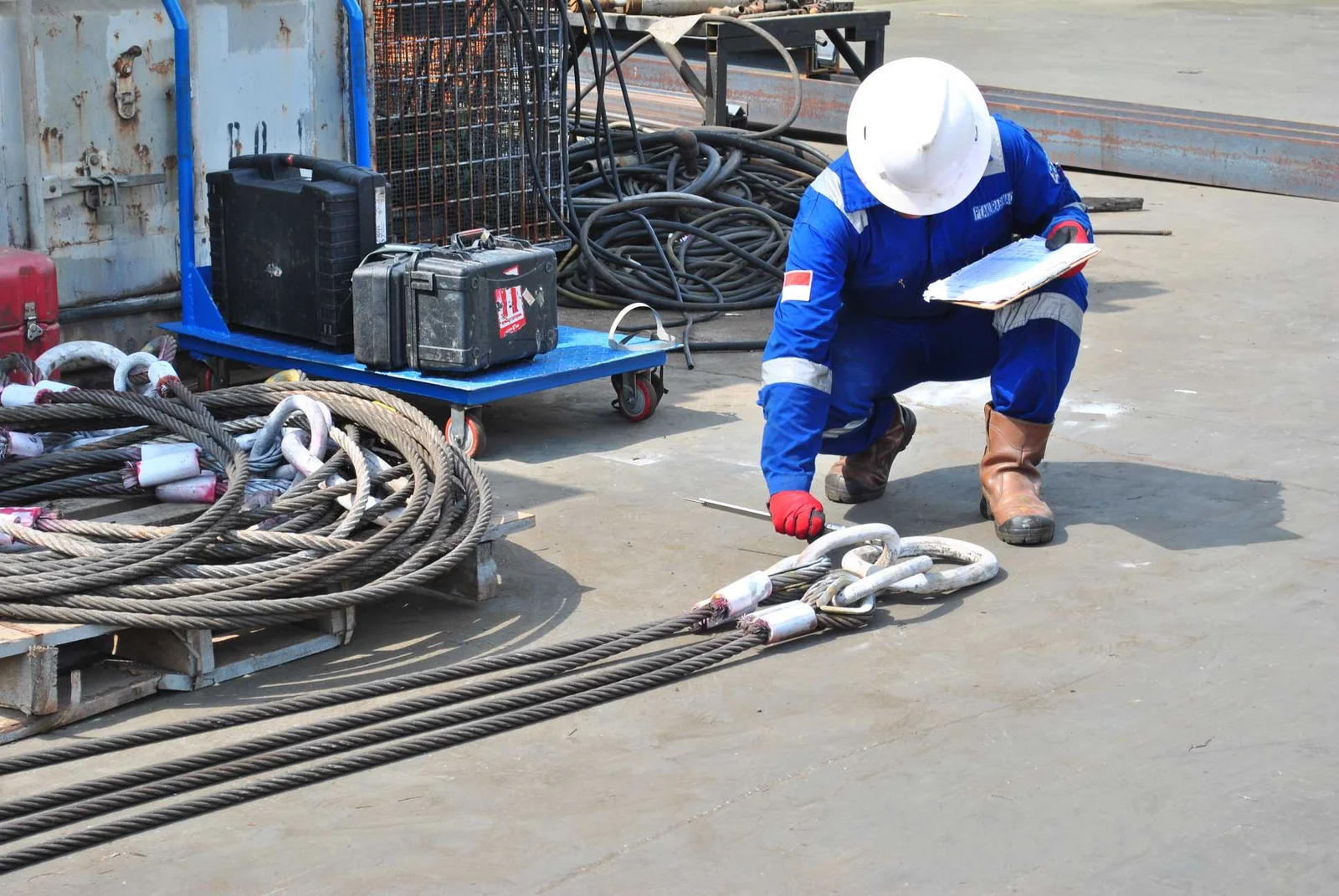
Verification of technical attachments prior to PO issuance including:
Scope & Boundary Verification Ensuring clarity of supply responsibilities.
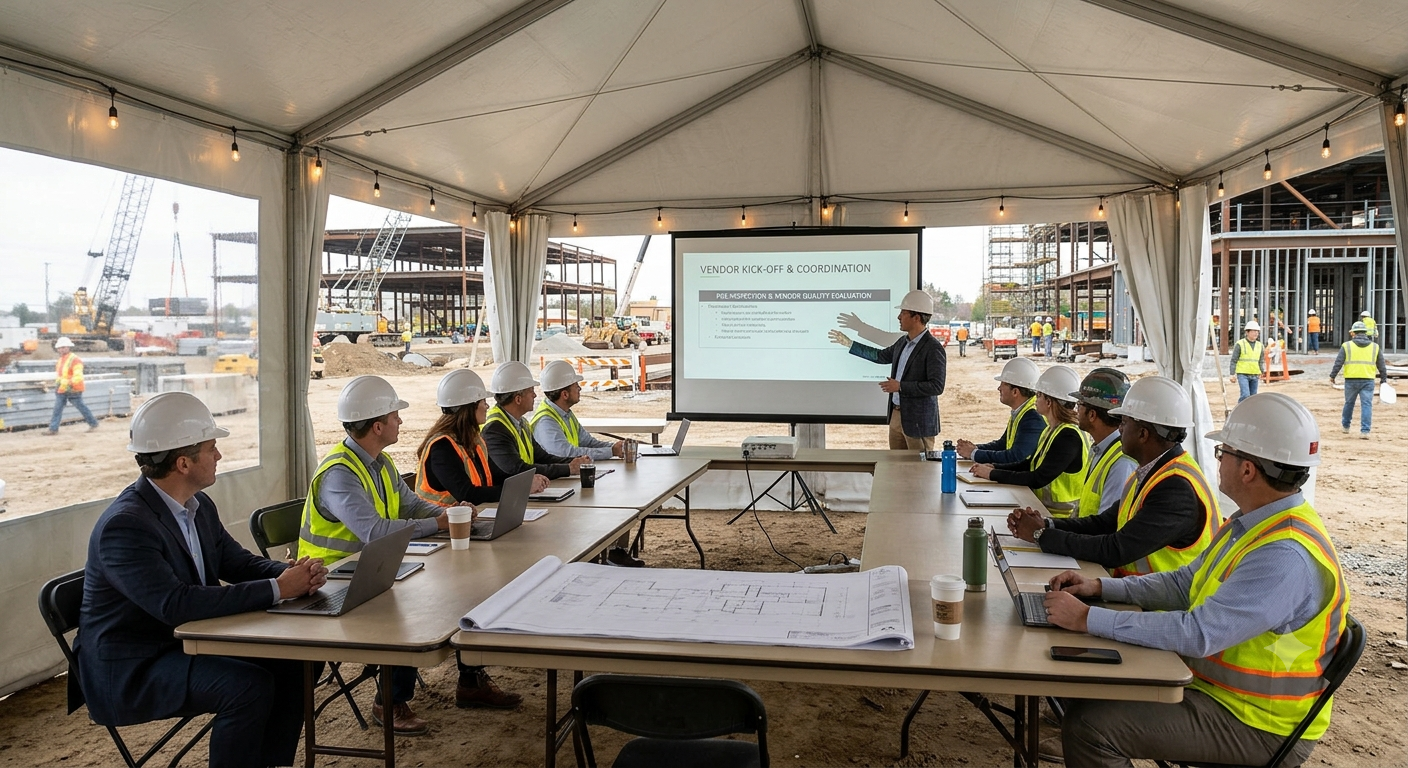
Alignment between client, EPC and vendor on scope, deliverables and schedule.
Ongoing technical communication and issue resolution throughout fabrication.
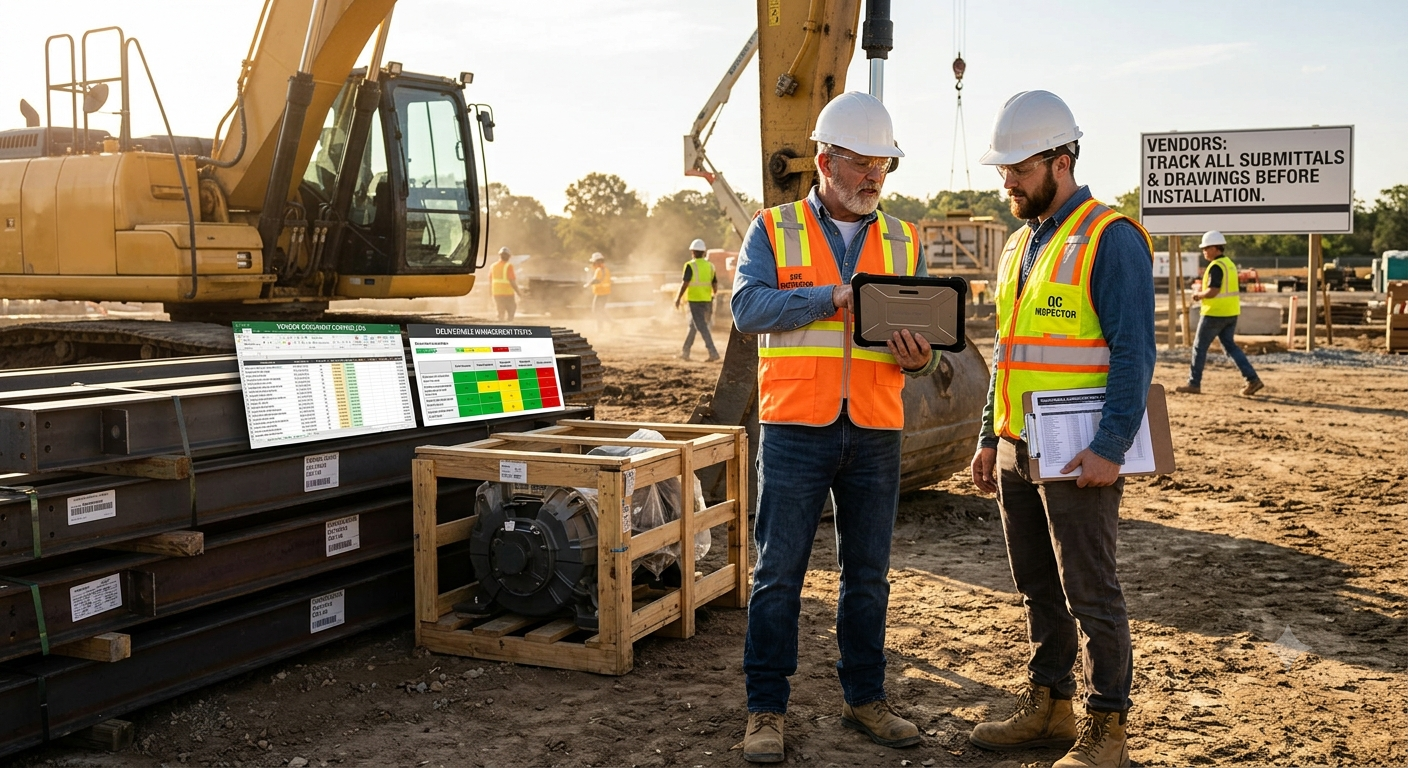
Definition of vendor deliverables and submission timelines.
Coordination of document reviews, comments, and approvals.
Verification of vendor drawings against project specifications.
Technical verification of equipment datasheets.
Review of welding, testing, coating and manufacturing procedures.

Definition of inspection stages, hold points and acceptance criteria.
Vendor quality control requirements and compliance verification.
Factory Acceptance Test (FAT) Procedures review and verification
Alignment of inspection scope and procedures.
Assessment of quality systems against ASME, API and ISO standards.
Verification of welding qualifications and testing procedures.
Comprehensive factory audits and capability assessments.

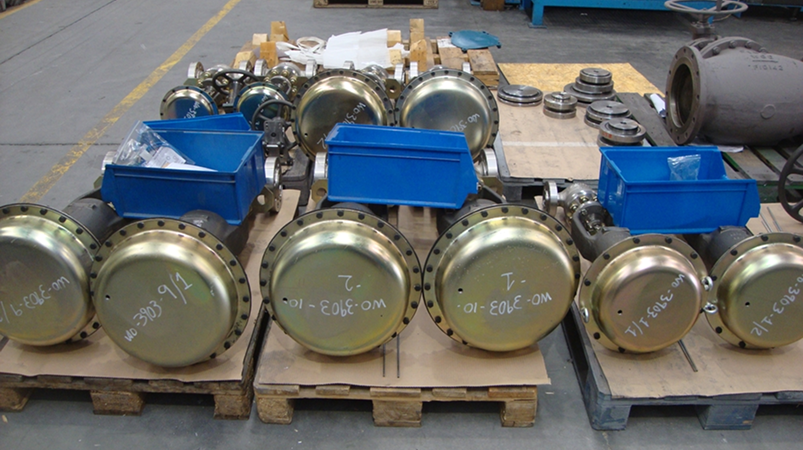
Verification of MTCs and material identification.
Inspection and witnessing of metallurgical testing.
Verification of tolerances and compliance with drawings.
Verification of materials against purchase orders and construction Drawings.
Witnessing hydrotests and functional testing.
Verification of coating systems per SSPC/NACE.
Review of certificates and nameplates.
Tracking fabrication progress and schedule compliance.
Monitoring vendor performance and delivery milestones.
Ensuring manufacturing aligns with project timelines.
Monitoring and closure of manufacturing NCRs.
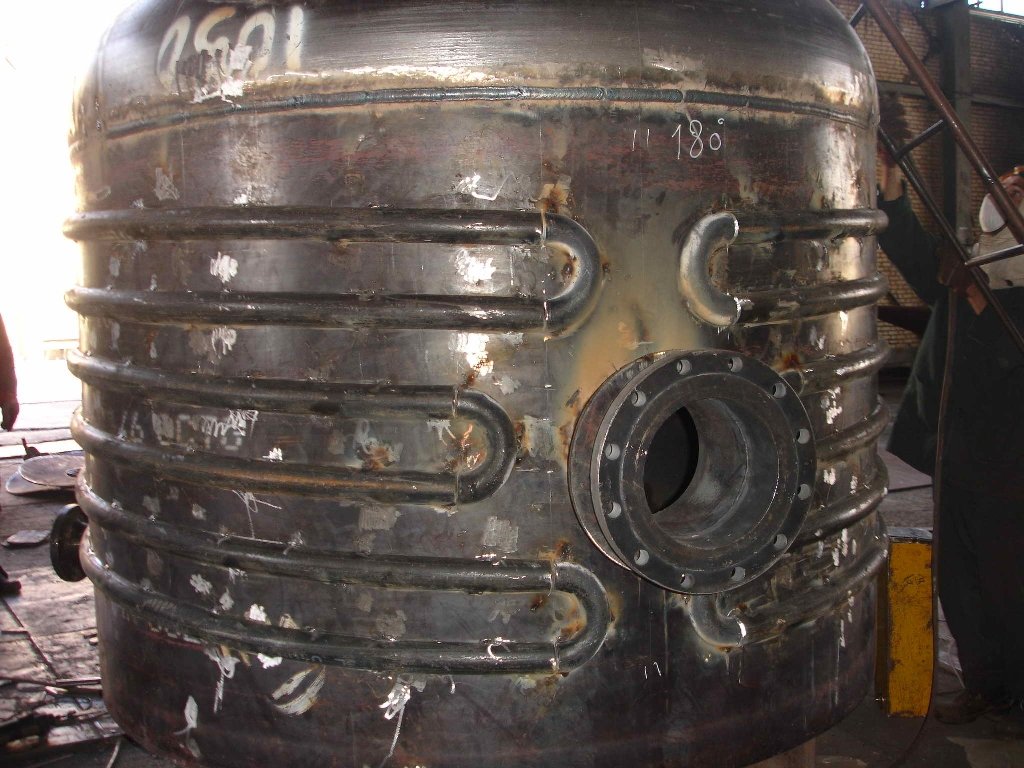
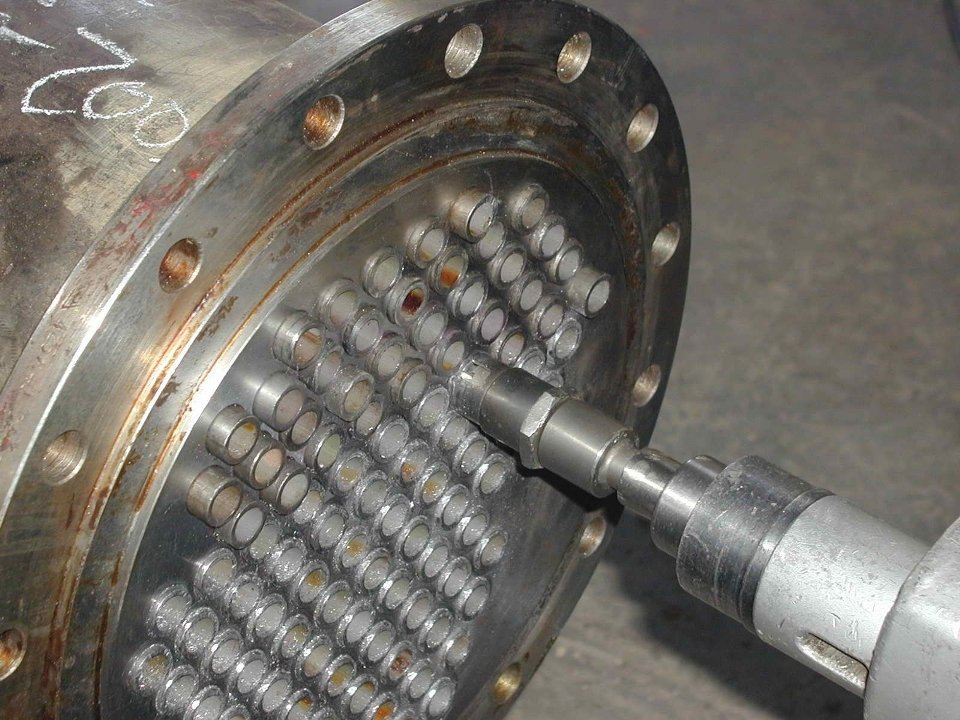
Issuing non-conformity reports and verifying corrective action closure.
Preparation of detailed inspection reports for client approval.
Monitoring fabrication and delivery commitments.
Ensuring inspection release and documentation are complete.
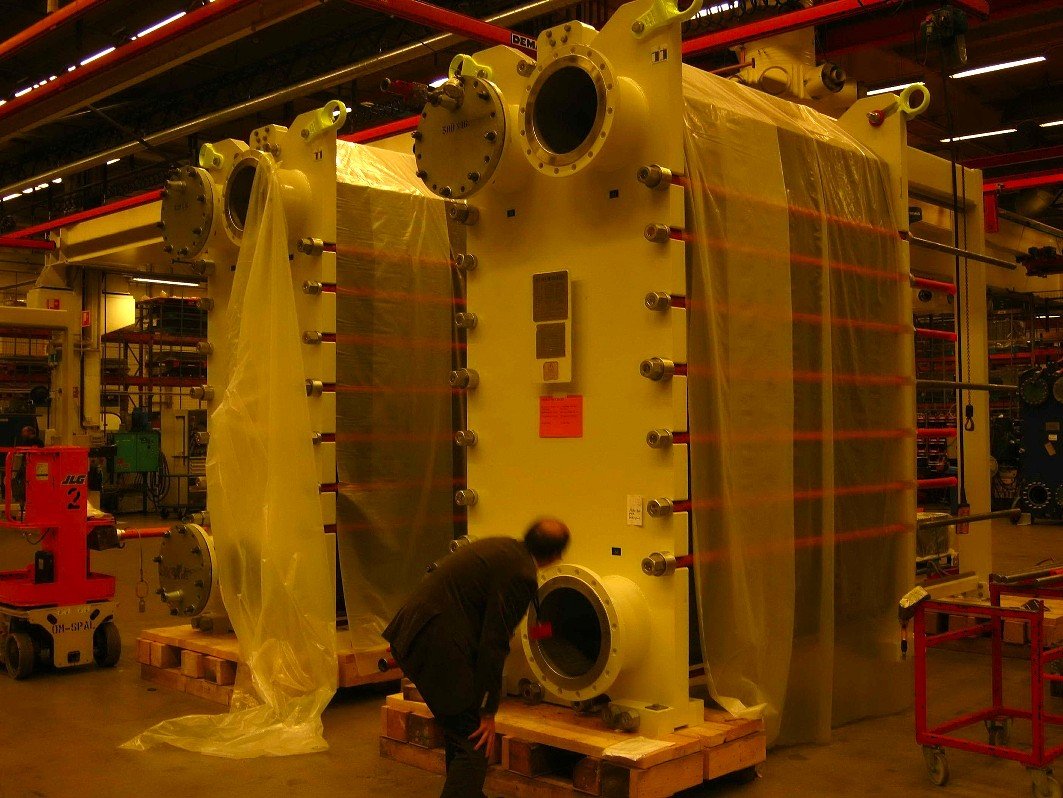
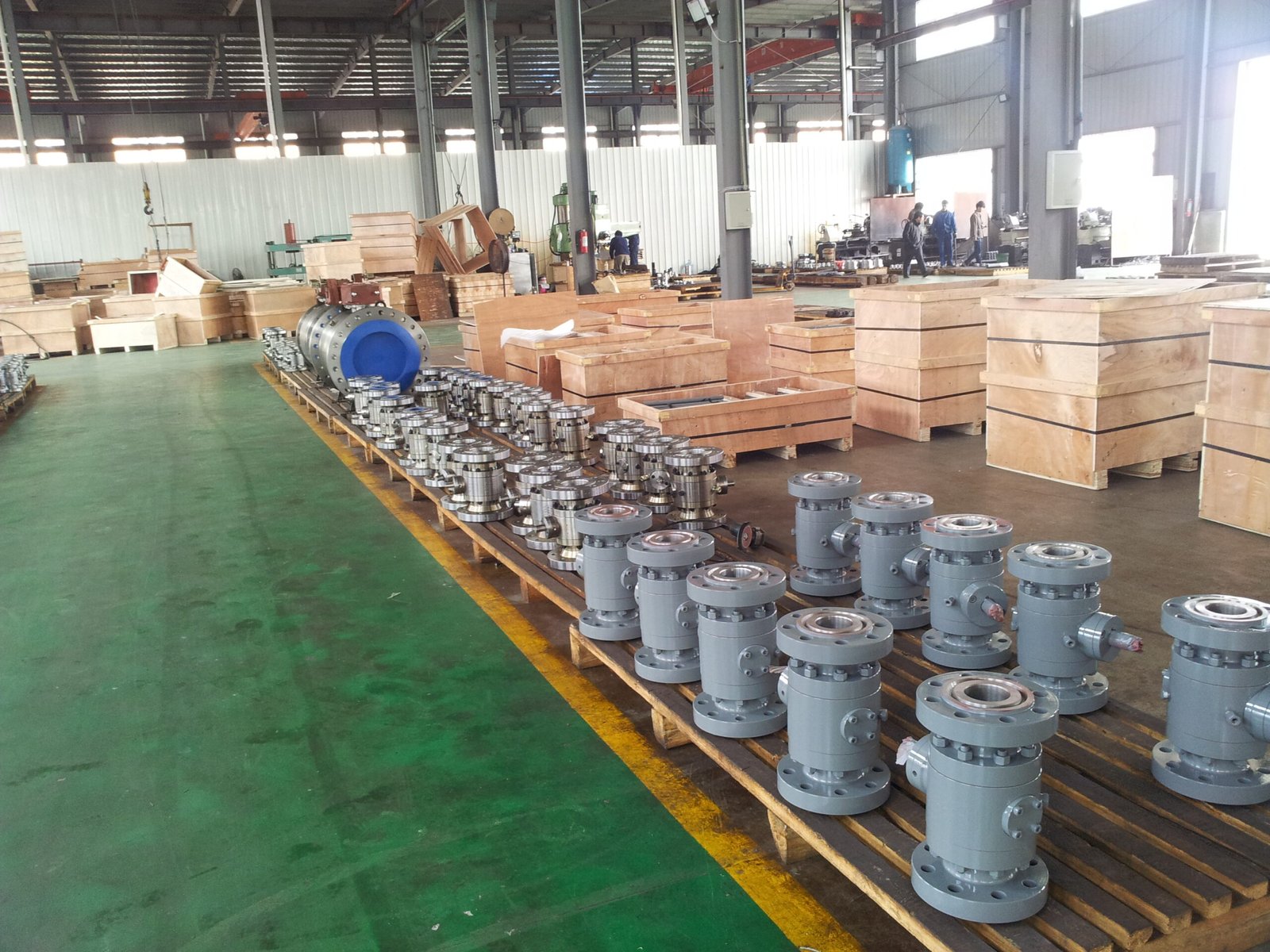
Verification of packaging and storage conditions.
Issuance of inspection release notes prior to shipment.
Verification of shipping and export documentation.
Verification of complete quality documentation packages.
Ensuring documentation completeness prior to handover.
Review of compliance certificates and inspection records.

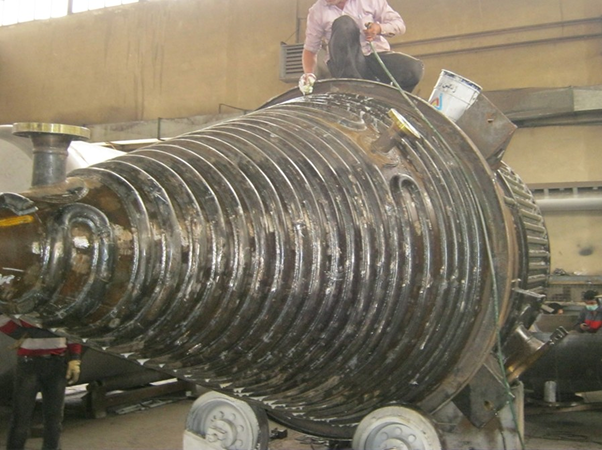
Procurement engineering ensures equipment and materials are technically specified, evaluated, inspected, and delivered in compliance with project requirements, codes, and international standards.
Procurement focuses on technical and commercial purchasing activities.
Expediting ensures vendors meet manufacturing schedules and delivery milestones.
Vendor surveillance is continuous monitoring of fabrication activities to ensure compliance with specifications, quality standards, and project schedules.
Yes. We assess vendor capabilities, quality systems, certifications, experience, and production capacity to support Approved Vendor List (AVL) development.
TBE includes technical comparison of vendor offers, deviation analysis, clarification management, and technical recommendations prior to purchase order issuance.
A PIM aligns the client, inspector, and manufacturer on inspection scope, procedures, drawings, ITPs, and acceptance criteria before fabrication begins.
An ITP defines inspection stages, hold points, witness points, and acceptance criteria during manufacturing.
Yes. We perform factory audits to evaluate compliance with ASME, API, ISO, and project quality requirements.
Typical inspections include:
FAT verifies equipment performance, functionality, and compliance at the manufacturer’s facility before shipment.
SAT confirms proper installation and operation of equipment at the project site.
An MDR is the final vendor quality dossier including drawings, material certificates, welding records, NDT reports, inspection reports, and compliance certificates.
It ensures documentation completeness, traceability, and compliance before equipment is released and handed over to the client.
An IRN authorizes shipment after confirming equipment meets technical and quality requirements.
We inspect:
Yes. We monitor manufacturing schedules and track long-lead items to avoid project delays.
Oil & Gas • Petrochemical • Pulp & Paper • Biogas • Waste-to-Energy • Industrial Manufacturing • Energy projects.
Yes. We support EPC contractors, operators, manufacturers, and project owners throughout the procurement lifecycle.