Course Overview

This course is dedicated to the execution phase of piping and mechanical projects, where engineering meets construction, testing, and system turnover.

Participants learn how to manage work fronts, supervise installation, execute hydrotests, and prepare systems for commissioning. The training emphasizes coordination, troubleshooting, and real field decision-making required to deliver projects safely and on schedule.
What You Will Gain

Participants will develop practical, execution-focused expertise in piping and mechanical field engineering, including:

  • Work-front preparation and construction sequencing

  • Leading and coordinating multidisciplinary site teams

  • Supervising piping installation, alignment, and mechanical equipment setting

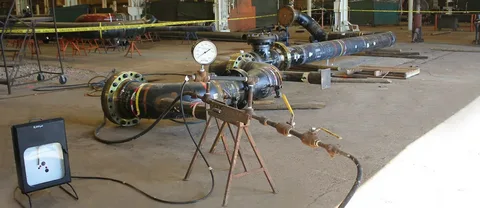
  • Managing hydrotest packages and pressure testing execution

  • Executing mechanical completion and pre-commissioning activities

  • Controlling reinstatement, flushing, and system readiness

  • Conducting system walkdowns and managing punch list closure

  • Resolving field technical queries and construction challenges

  • Identifying and preventing field nonconformities

  • Evaluating schedule, manpower, and execution risks

  • Bridging engineering design intent with on-site construction realities

Participants gain the ability to lead piping and mechanical execution activities confidently from installation through pre-commissioning.

Target Audience

This course is designed for professionals involved in project execution and field coordination, including:

  • Piping & Mechanical Field Engineers

  • Construction Supervisors and Site Engineers

  • QA/QC Engineers transitioning into field leadership roles

  • Commissioning and Pre-Commissioning Engineers

  • EPC Project Engineers and Coordinators

It is particularly valuable for those working in industrial, oil & gas, petrochemical, and energy projects.
Prerequisites

  • Basic understanding of piping systems and mechanical equipment

  • Familiarity with construction drawings, P&IDs, and installation practices

  • Knowledge of ASME/API codes (recommended)

  • Prior exposure to construction or site activities is beneficial

Why Learn From This Trainer

This course is led by a senior piping and mechanical field engineering professional with extensive hands-on experience delivering complex EPC projects in oil & gas, petrochemical, power, and industrial environments.

Unlike classroom-based theory, this training is built on real construction execution — where hydrotesting, mechanical completion, QA/QC integration, and system turnover must be delivered safely and on schedule under client and contractual pressure.

Participants benefit from practical insight into how piping and mechanical works are actually supervised, tested, and handed over in high-risk project environments.
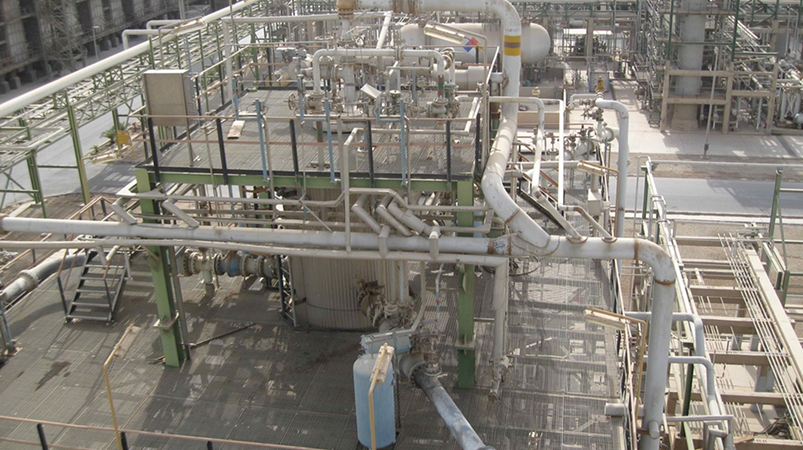
End-to-End Project Lifecycle Experience

The trainer’s expertise spans the full EPC lifecycle, including:

Engineering handover and work-front preparation

Fabrication supervision and field installation oversight

Welding, NDT, and QA/QC coordination during execution

Hydrotesting, reinstatement, and mechanical completion management

Punch list control, system walkdowns, and final turnover documentation
Course Modules and Detailed Syllabus

Module 1: Field Engineering
Fundamentals

Learning Objectives:

  • Understand the role of a field engineer in EPC projects

  • Identify responsibilities in supervision, coordination, and documentation

Topics Covered:

  • Field engineering workflow for piping and mechanical systems

  • Work front preparation for fabricators and erectors

  • Hold-point clearance and interface management

  • Daily reporting, progress monitoring, and communication with contractors

  • Safety, HSE, and permit-to-work requirements in field operations

Module 2: Piping & Mechanical Fabrication Supervision

Learning Objectives:

  • Ensure correct fabrication, fit-up, and erection of piping systems

  • Verify compliance with design, codes, and specifications

Topics Covered:

  • Field engineering workflow for piping and mechanical systems

  • Work front preparation for fabricators and erectors

  • Hold-point clearance and interface management

  • Daily reporting, progress monitoring, and communication with contractors

  • Safety, HSE, and permit-to-work requirements in field operations

Module 3: Welding and NDT Oversight

Learning Objectives:

  • Supervise welding activities and verify quality in the field

  • Understand NDT methods and compliance requirements

Topics Covered:

  • Welder qualification, WPS/PQR compliance, and weld map verification

  • Monitoring welding procedures: SMAW, GTAW, FCAW, SAW, GMAW

  • PWHT, hardness testing, and metallurgical considerations

  • NDT techniques: VT, PT, MT, UT, RT, PMI

  • Field observation of weld imperfections, defects, and repair procedures

  • Documentation and reporting of welding and NDT activities

Module 4: Hydrotesting and Mechanical Completion

Learning Objectives:

  • Plan, supervise, and verify hydrotest and pneumatic test activities

  • Ensure mechanical completion aligns with project requirements

Topics Covered:

  • Hydrotest package preparation and execution

  • Pressure testing of piping, vessels, tanks, and equipment

  • Leak detection, reinstatement, and punch list clearance

  • Mechanical completion verification: alignment, leveling, and orientation

  • Coordination with commissioning teams

  • Safety, instrumentation, and pressure monitoring during tests

Module 5: Pre-Commissioning and System Turnover

Learning Objectives:

  • Prepare systems for safe commissioning and handover to operations

  • Ensure documentation and quality standards are complete

Topics Covered:

  • Welder qualification, WPS/PQR compliance, and weld map verification


  • Monitoring welding procedures: SMAW, GTAW, FCAW, SAW, GMAW


  • PWHT, hardness testing, and metallurgical considerations


  • NDT techniques: VT, PT, MT, UT, RT, PMI


  • Field observation of weld imperfections, defects, and repair procedures


  • Documentation and reporting of welding and NDT activities

Module 6: QA/QC in Field Engineering

Learning Objectives:

  • Integrate QA/QC principles into field engineering activities

  • Monitor compliance and document deviations efficiently

Topics Covered:

  • Pre-inspection meetings and hold-point verification

  • NCR issuance and follow-up in field operations

  • Verification of compliance certifications and identification tags

  • Review of inspection reports, FAT/SAT, and MDRs

  • Coordination with vendors and contractors for technical clarifications

Module 7: Advanced Coordination & Risk Management

Learning Objectives:

  • Develop critical problem-solving skills for field engineering 

  • Learn strategies to optimize schedule, cost, and
    safety

Topics Covered:

  • Interface management across multiple disciplines

  • Change order evaluation and impact on schedule/cost

  • Risk identification and mitigation in piping/mechanical works

  • Constructability, operability, and maintainability (COM) reviews

  • Lessons learned from multi-billion-dollar EPC projects

Practical Exercises & Case Studies

Duration: Integrated throughout course

Hydrotest execution planning

Field welding inspection simulation

NDT result evaluation and defect reporting

Piping tie-in feasibility and 3D model review exercises

Mechanical completion and punch list exercises

Pre-commissioning checklist development and documentation

Learning Outcomes:

By the end of this course, participants will be able to:

Manage piping and mechanical field engineering activities efficiently

Ensure compliance with design, codes, and project requirements

Execute hydrotests, mechanical completions, and pre-commissioning effectively

Coordinate across disciplines, vendors, and contractors for seamless project execution

Integrate QA/QC best practices into field operations

Prepare and hand over complete documentation packages to clients

Targeted Standards and Codes Covered:

  • ASME B31.3 / B31.8 – Process & Utility Piping

  • ASME VIII – Pressure Vessels

  • API 650 / 620 – Tanks

  • ISO 9001 – Quality Management

  • ASTM, NACE, BS, CSA – Material & Coating Requirements