Vendor Surveillance, Fabrication Shop Inspection & Factory Acceptance Testing (FAT)

Course Overview

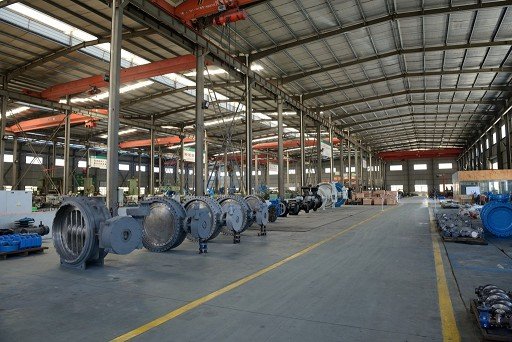
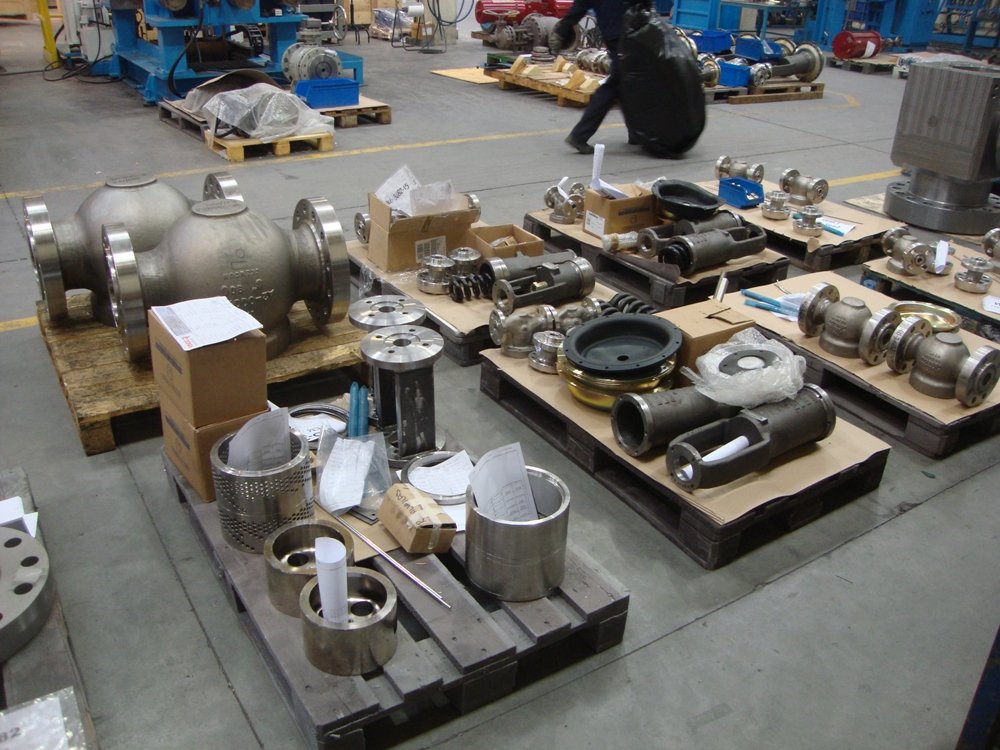
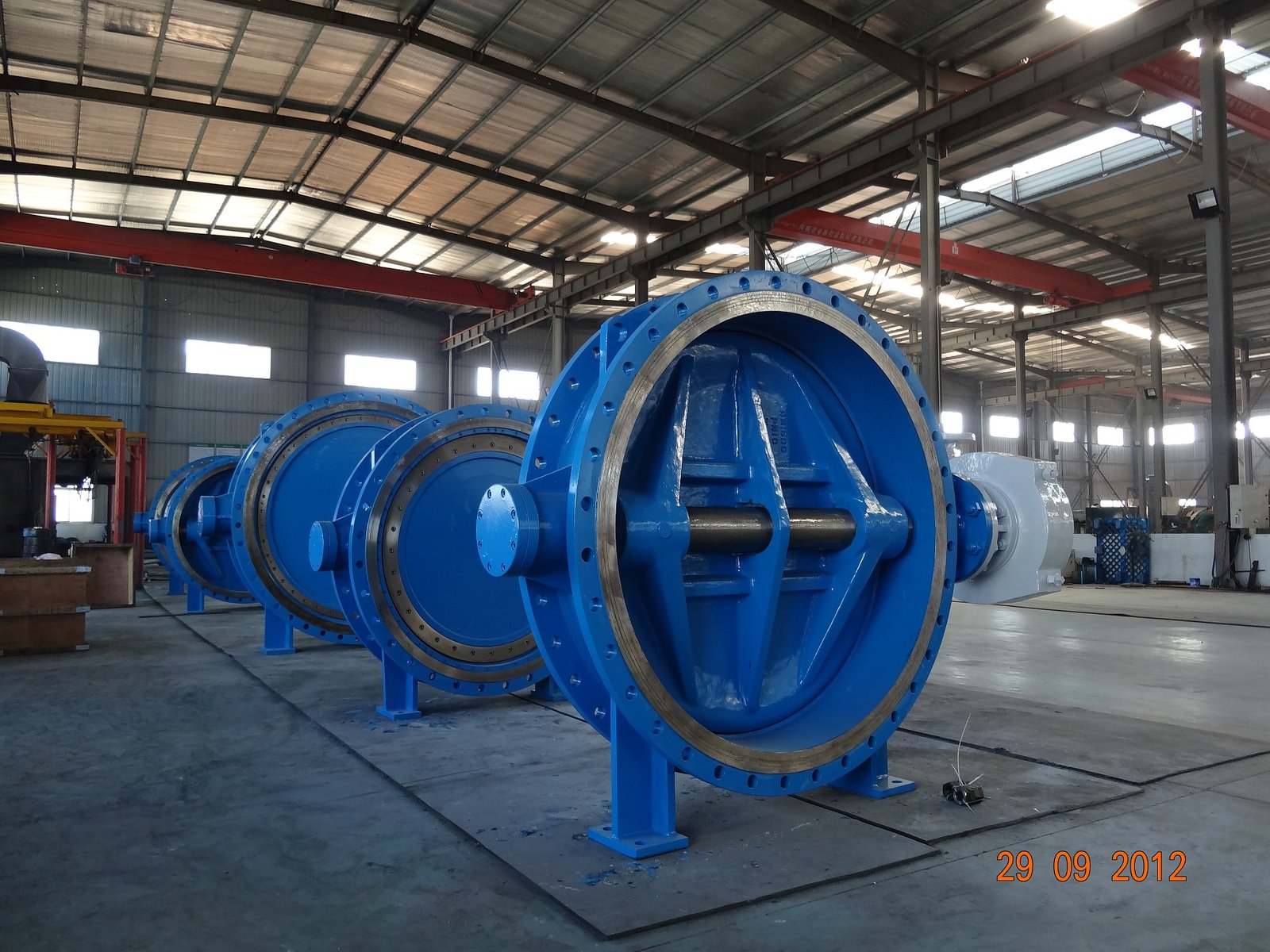
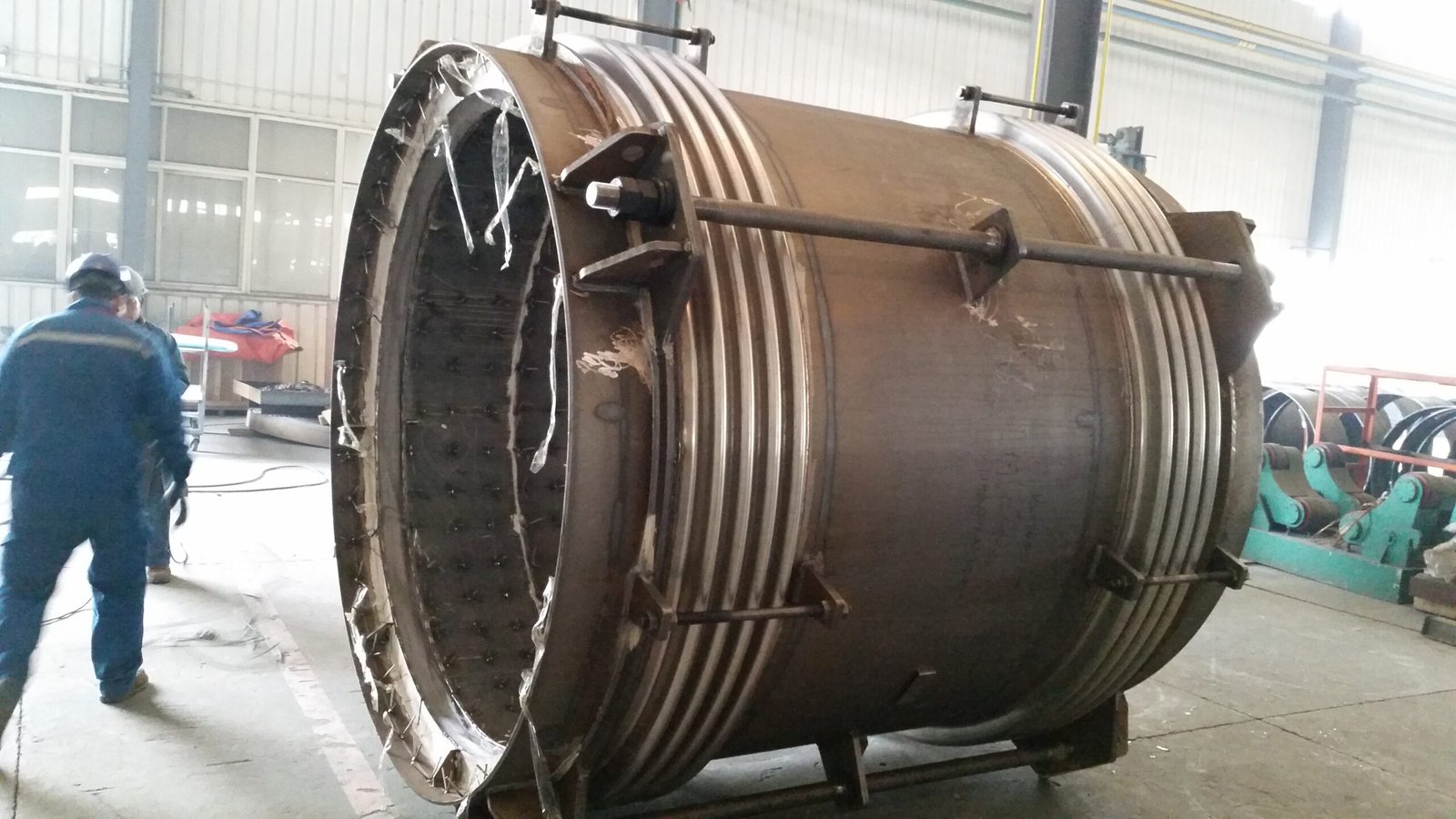
This course provides comprehensive training on manufacturing inspection and vendor surveillance, focusing on the entire fabrication and assembly process of piping, valves, pressure vessels, towers, rotating equipment, packages, and structural components.

Participants will learn how to plan, execute, and document manufacturing inspections, ensuring compliance with codes, project specifications, and international standards, while controlling quality risk before shipment to site.

This training is highly practical, based on real shop inspection, FAT, and vendor audit experience.
What You Will Gain

Participants will develop structured and practical expertise in manufacturing inspection and vendor surveillance, including:

  • Understanding the full fabrication workflow from material receipt to final assembly

  • Reviewing Inspection & Test Plans (ITPs) and identifying critical inspection stages

  • Verifying material traceability, MTCs, heat numbers, and compliance documentation

  • Monitoring welding, NDT, PMI, and PWHT activities in fabrication shops

  • Performing dimensional and visual inspection of piping, vessels, and equipment

  • Witnessing hydrotests, pressure tests, and Factory Acceptance Tests (FAT)

  • Identifying manufacturing nonconformities before shipment

  • Managing NCRs and corrective actions within vendor facilities

  • Reviewing Manufacturing Data Reports (MDR) and quality dossiers

  • Verifying packing, preservation, and shipment readiness

Participants gain the ability to control quality at the manufacturing stage and ensure equipment is compliant before delivery to site.

Target Audience

This course is designed for professionals involved in fabrication, vendor inspection, and manufacturing quality control, including:
  • Vendor / Manufacturing QA/QC Inspectors

  • Third-Party Inspection (TPI) Personnel

  • QA/QC Engineers supporting procurement and fabrication

  • Procurement & Expediting Engineers

  • Project Engineers reviewing vendor deliverables

  • Mechanical and Piping Engineers overseeing shop fabrication

Prerequisites

  • Basic understanding of fabrication and mechanical systems

  • Knowledge of welding and inspection fundamentals (recommended)

    • Prior exposure to shop or project QA/QC activities is beneficial

Why Learn From This Trainer

This course is led by a senior QA/QC professional with extensive hands-on experience in vendor surveillance, fabrication shop inspections, and Factory Acceptance Testing (FAT) across international manufacturing facilities.

Rather than focusing only on standards, the training reflects real manufacturing environments where quality risks must be controlled before shipment. Participants learn how to:

  • Plan and execute structured vendor surveillance programs

  • Detect and manage manufacturing nonconformities at the source

  • Witness FAT, pressure, and performance testing with technical confidence

  • Review MTRs, welding, NDT, PMI, and material traceability documentation

  • Verify MDR completeness and authorize shipment release readiness

End-to-End Knowledge: From Engineering to Vendor Shipment:

  • Shop/fabrication inspection and material verification

  • Welding QA/QC, NDT, PMI, and metallurgical control

  • FAT, pressure/performance testing, and inspection documentation

  • Coating, packing, preservation, and shipment readiness

This ensures participants leave the course with job-ready, actionable skills they can immediately apply in manufacturing and vendor inspection roles.
Key Learning Outcomes

By the end of this course, participants will be able to:

  • Plan and execute shop inspections and vendor surveillance effectively

  • Review and approve vendor QA/QC documentation and inspection procedures

  • Witness factory acceptance tests (FAT), pressure tests, and performance tests

  • Control nonconformities and ensure corrective actions before shipment

  • Compile and verify Manufacturing Data Reports (MDRs) and quality dossiers

Detailed Course Syllabus

  • Role and responsibilities of a manufacturing inspector

  • Vendor and shop audit principles

  • Understanding QA/QC interfaces: client, EPC, PMC, and vendor

  • Inspector authority and communication during shop inspections
  • Scope definition for inspection activities

  • Reviewing Inspection & Test Plans (ITPs) and hold/witness points

  • Pre-inspection coordination with vendor QA/QC teams

  • Identifying critical stages in fabrication and assembly
  • Evaluating vendor Quality Management Systems (QMS)

  • Compliance with ISO, ASME, API standards

  • Audit planning and reporting methodology

  • Review of welding, NDT, coating, and testing capabilities
  • Shop fabrication inspection methodology

  • WPS, PQR, and Welder Qualification (WQT) review

  • Fit-up, joint preparation, and dimensional verification

  • Welding inspection checkpoints and documentation

Yes. Special focus is given to brownfield modifications, live-plant tie-ins, shutdowns, and revamp projects, including safety, access, and coordination challenges.

  • Overview of NDT techniques: RT, UT, PT, MT

  • NDT acceptance criteria and shop witnessing requirements

  • PMI inspection for alloy verification

  • PWHT monitoring and metallurgical compliance
  • Hardness testing and weld quality control
  • Checking equipment dimensions against approved drawings

  • Alignment, tolerances, and geometry verification

  • Visual inspection for workmanship, defects, and coating readiness

  • Verification of material handling and lifting provisions
  • Planning and witnessing Factory Acceptance Tests (FAT)

  • Hydrostatic, pneumatic, and functional performance tests

  • Documentation and record verification during testing

  • Safety precautions during testing in fabrication shops
  • Identification, documentation, and tracking of nonconformities

  • Root cause analysis and verification of corrective actions

  • Ensuring NCR closure prior to shipment

  • Preventing recurrence of fabrication or quality issues
  • Surface preparation verification per SSPC/NACE standards

  • Coating application inspection and DFT measurement

  • Holiday testing and repair verification

  • Preservation, packing, and shipping inspection requirements
  • Reviewing MDRs and technical documentation

  • Verification of Material Test Certificates (MTCs)

  • Checking nameplates, identification tags, and traceability records

  • Compilation of final QA/QC dossier for client approval
  • Ensuring equipment is preserved per project and international standards

  • Inspection of packing, lifting, and transport conditions

  • Verification for export compliance and shipment readiness
  • Real-world examples of shop inspection failures

  • Common NCRs during manufacturing and corrective actions

  • Best practices for inspection in brownfield and new fabrication facilities

  • Vendor coordination challenges and solutions